Common term
Full coverage: a nickname for a stack, not a promise
Agents, lenders and buyers all say full coverage, but no policy contains those words as a coverage. Here is what the phrase usually stands for, what a lender actually asks for, and what is still missing from the stack.
By CoverOath Editorial Team Updated 7 min read
The promise, in short
"Full coverage" is shorthand, not a coverage. The NAIC's auto shopping guide says it plainly: there is no such thing as a full coverage policy. In everyday use it means a policy with your state's required liability coverage plus collision and comprehensive, which is what lenders and leasing companies usually require. Even that stack has limits, deductibles and exclusions, and it leaves out things like rental cars, towing and the gap on a loan unless you add them. Read the declarations page, not the label.
- Legal term?
- No
- Usually means
- Liability, collision, comp
- Lenders require
- Collision + comprehensive
- Deductibles
- Still apply per claim
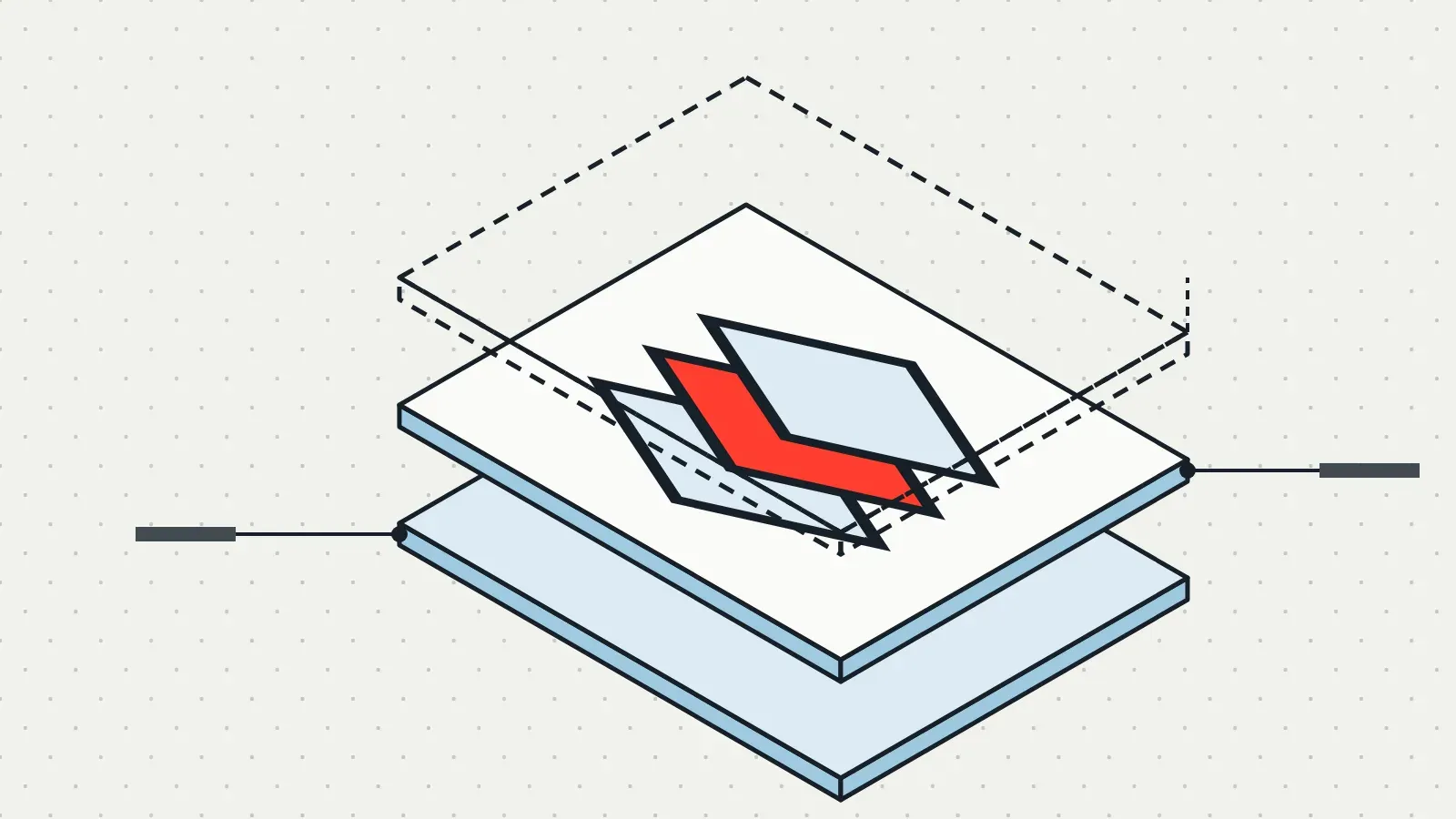
What people mean by full coverage
A car insurance policy is a set of separate promises, each with its own trigger, limit and exclusions. Full coverage is a name people give to one common combination of them. The NAIC's shopping guide warns that there is no such thing as a full coverage policy, and the Texas Department of Insurance's auto guide doesn't use the term at all; it lists each coverage and tells you to read your policy.
| Layer | What it pays for | Usually in full coverage? |
|---|---|---|
| Bodily injury and property damage liability | Injuries and damage you cause to others | Yes, at least the state minimum |
| Coverages your state adds, such as PIP or UM | Your own injuries, by state rule | Yes, where required or not rejected |
| Collision | Your car after a crash | Yes |
| Comprehensive | Your car after theft, weather, fire, animals | Yes |
| Add-ons such as rental, towing, gap | Specific extra costs | No, unless you buy them |
The first two rows are the legal part, and they vary by state: some states make every policy carry personal injury protection or uninsured motorist coverage, others only make insurers offer them. Collision and comprehensive are physical damage coverage for your own car, and adding them is what turns a "liability-only" policy into what people call full coverage. The add-ons in the last row stay optional.
What a lender actually requires
When a dealer or lender says you need full coverage, the requirement behind it is specific. The Texas Department of Insurance says a lender will require collision and comprehensive if you still owe money on the car. The NAIC notes collision may be required by a lender or lessor, and the Insurance Information Institute says leasing companies will likely require both. The lender's interest appears on your declarations page as the loss payee, so a total loss check can go to it.
Read the insurance clause in your loan or lease contract rather than relying on the phrase. It is the contract, not the words "full coverage", that sets what you must keep and for how long.
What full coverage still leaves out
The name invites a false sense of completeness. Every layer in the stack has a ceiling and a list of exclusions, and some common costs sit outside the stack entirely.
- The gap on a loan. Collision and comprehensive pay the car's actual cash value, which the Texas Department of Insurance defines as replacement cost minus depreciation. If you owe more, that is gap insurance.
- A car to drive while yours is fixed. The Texas Department of Insurance lists rental reimbursement and towing and labor as separate coverages with their own dollar limits.
- Damages above your liability limits. If you cause a serious crash, anything past your limits is yours to pay.
- Your deductibles. Each collision or comprehensive claim starts with the amount you chose to pay yourself.
- Excluded uses. The Texas Department of Insurance lists ride-hailing and paid delivery, racing, business use and driving in Mexico among things most policies don't cover.
- Wear, breakdowns and belongings. Physical damage coverage pays for sudden damage to the car, not maintenance or the things inside it.
Building the stack on purpose
Treat full coverage as a checklist, not a product. Go line by line through the declarations page and ask what each promise pays, up to what limit, after what deductible.
The same habit protects you when you compare quotes. Two offers labeled full coverage can differ on every line: one may carry state-minimum liability and a $2,000 deductible, the other higher limits and a $500 deductible. Compare limits and deductibles side by side before you compare prices.
- Set liability above the minimum. The Insurance Information Institute suggests enough to protect assets such as your home and savings; see bodily injury liability.
- Decide on your own injuries. Check what your state requires and whether you have rejected UM, UIM or PIP in writing.
- Choose physical damage deductibles you could pay. The Insurance Information Institute says deductibles are typically $500 or $1,000, and higher ones lower the premium.
- Add only the extras you would use. Rental, towing, glass, gap and new car replacement each fix a specific gap.
- Revisit when the loan ends. Once the lender is paid, collision and comprehensive are your choice; the keep-collision calculator helps you decide.
When full coverage stops making sense
Physical damage coverage never pays more than the car is worth, and that value falls every year. The Insurance Information Institute suggests considering dropping collision or comprehensive on older cars, with a rule of thumb: if the car is worth less than 10 times the premium, the coverage may not be cost effective.
Dropping both returns you to a liability-only policy, plus whatever your state requires. You keep the promise to others and give up the promise to yourself. Make that choice only if you could replace the car from savings, and keep in mind that some insurers let you keep comprehensive alone. Your state menu page shows what stays mandatory.
Questions drivers ask
Is full coverage required by law?
No state requires collision or comprehensive. The law sets minimum liability and, in some states, coverages like PIP or UM. Collision and comprehensive are usually required by your lender or leasing company, not by the state.
Does full coverage mean I'm covered for anything?
No. Each coverage has its own limit, deductible and exclusions, and items like rental cars, towing and the gap on a loan are separate add-ons.
Does full coverage pay off my loan if the car is totaled?
It pays the car's actual cash value minus your deductible. If the loan balance is higher, the difference is yours unless you carry gap insurance.
Can I drop full coverage after I pay off the car?
Yes. Once the lender is paid, collision and comprehensive are optional. Compare the premium with the car's value before you decide.
Drawn from
- NAIC — A Shopping Tool for Auto Insurance (2023), as published by the Nebraska Department of Insurance
- NAIC — Auto insurance consumer guide
- Texas Department of Insurance — Auto insurance guide
- Insurance Information Institute — What is covered by a basic auto insurance policy?
- Insurance Information Institute — Nine ways to lower your auto insurance costs
Facts on this page were checked against these sources on November 15, 2026. The statement that there is no full coverage policy is the NAIC's, from its 2023 auto shopping guide; your loan or lease contract decides what your lender requires.
Have this coverage priced
CoverOath doesn't sell insurance. Answer five questions and CoverOath passes your request to licensed insurance agents and insurers, who can quote the coverage; you decide whether to buy anything.
- 1 The coverage you want priced.
- 2 Where an agent can reach you, and your consent.
- 3 A licensed insurance agent or insurer contacts you with a quote. Nothing is bought until you agree.
CoverOath is not paid by you. The licensed insurance agents and insurers who contact you set their own prices and terms. How we make money.
Adjacent layers
-
Core coverage
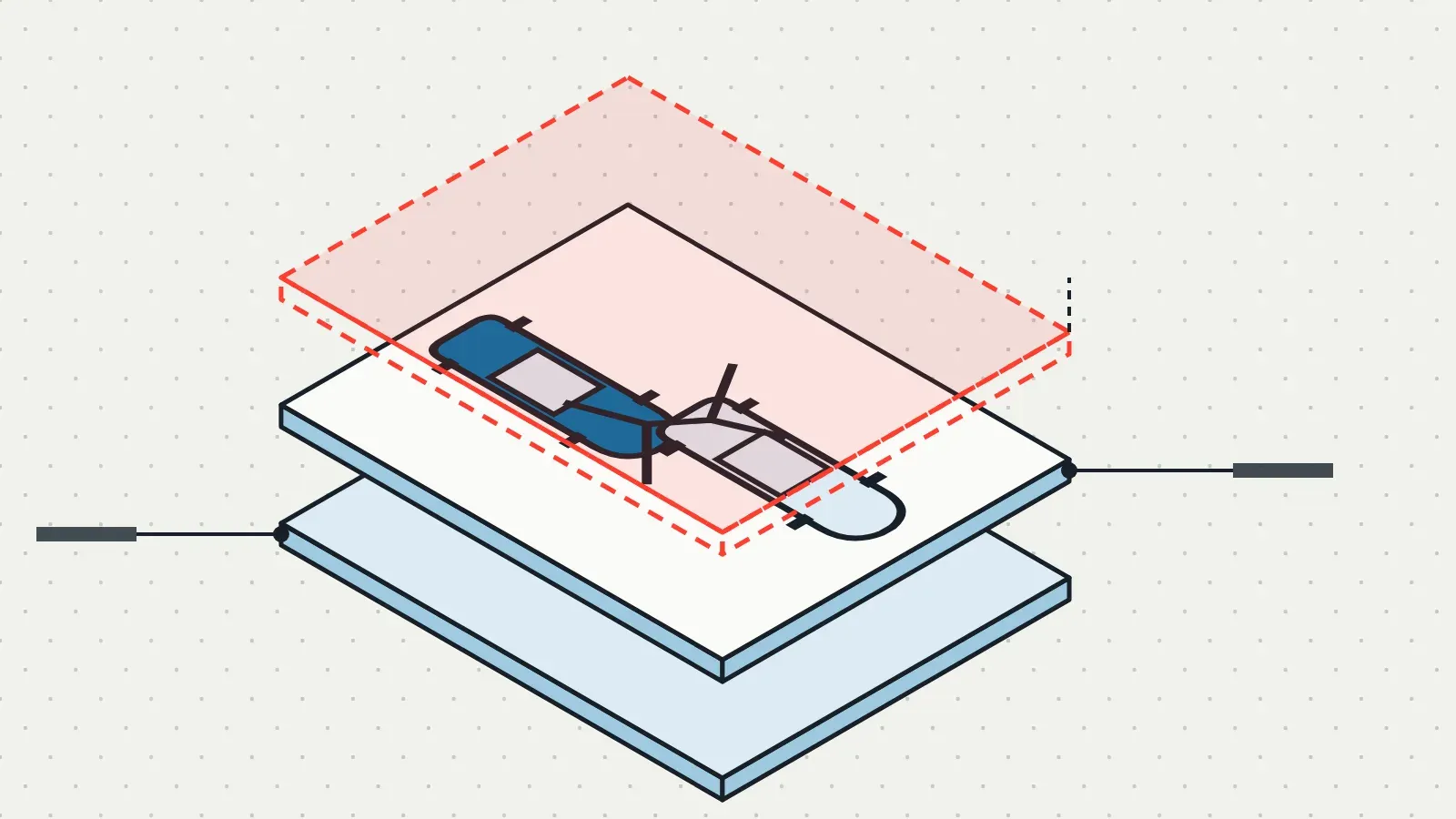
Collision coverage
Pays to fix or replace your car after a crash, at fault or not, minus your deductible and up to its value.
-
Add-on
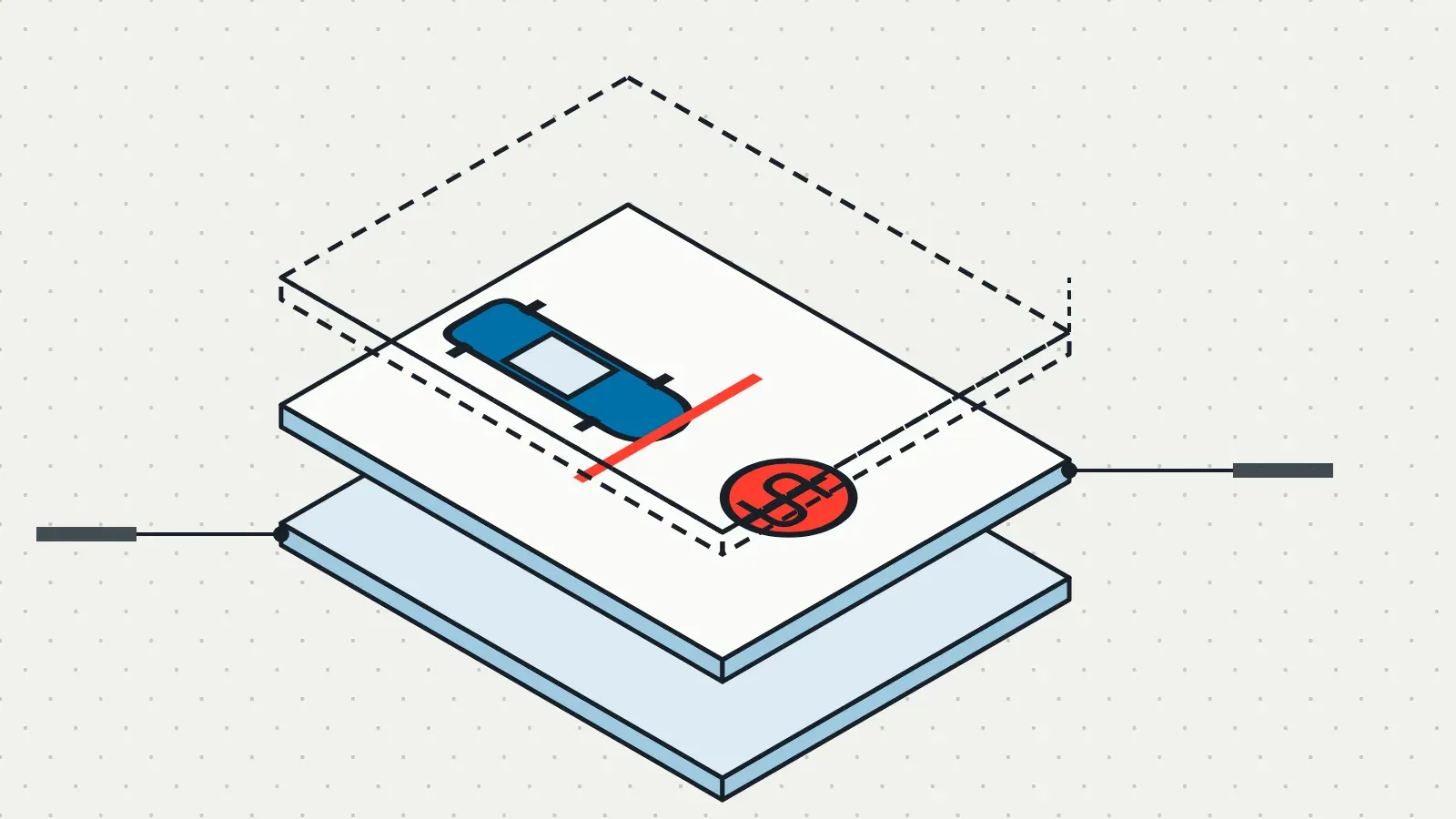
Gap insurance
Pays the loan balance left after a total loss when you owe more than the car's actual cash value.
-
Fine print
Parts of an auto policy
Declarations page, policy form, endorsements: what each part decides and the order to read them in.