No-fault coverage
Personal injury protection: your own policy pays first, fault aside
PIP is the coverage that pays your injury costs without waiting for anyone to decide who caused the crash. In some states it is the center of a no-fault system; in others it is an extra you can keep or reject. Here is how it works in each setting.
By CoverOath Editorial Team Updated 7 min read
The promise, in short
Personal injury protection (PIP) pays medical bills, part of lost income and other crash costs for you and others insured on your policy, whoever caused the crash. In the 12 no-fault states counted by the Insurance Information Institute, PIP is mandatory and limits your right to sue for pain and suffering below a threshold. In several fault states, PIP is required, included unless rejected, or only offered, with no limit on lawsuits. Minimum benefits on our state pages run from $2,500 in Texas and Maryland up to Michigan's unlimited option. Your state menu shows which rule applies.
- Pays
- Regardless of fault
- No-fault states
- 12, plus Puerto Rico
- Florida minimum
- $10,000
- Car damage
- Not covered
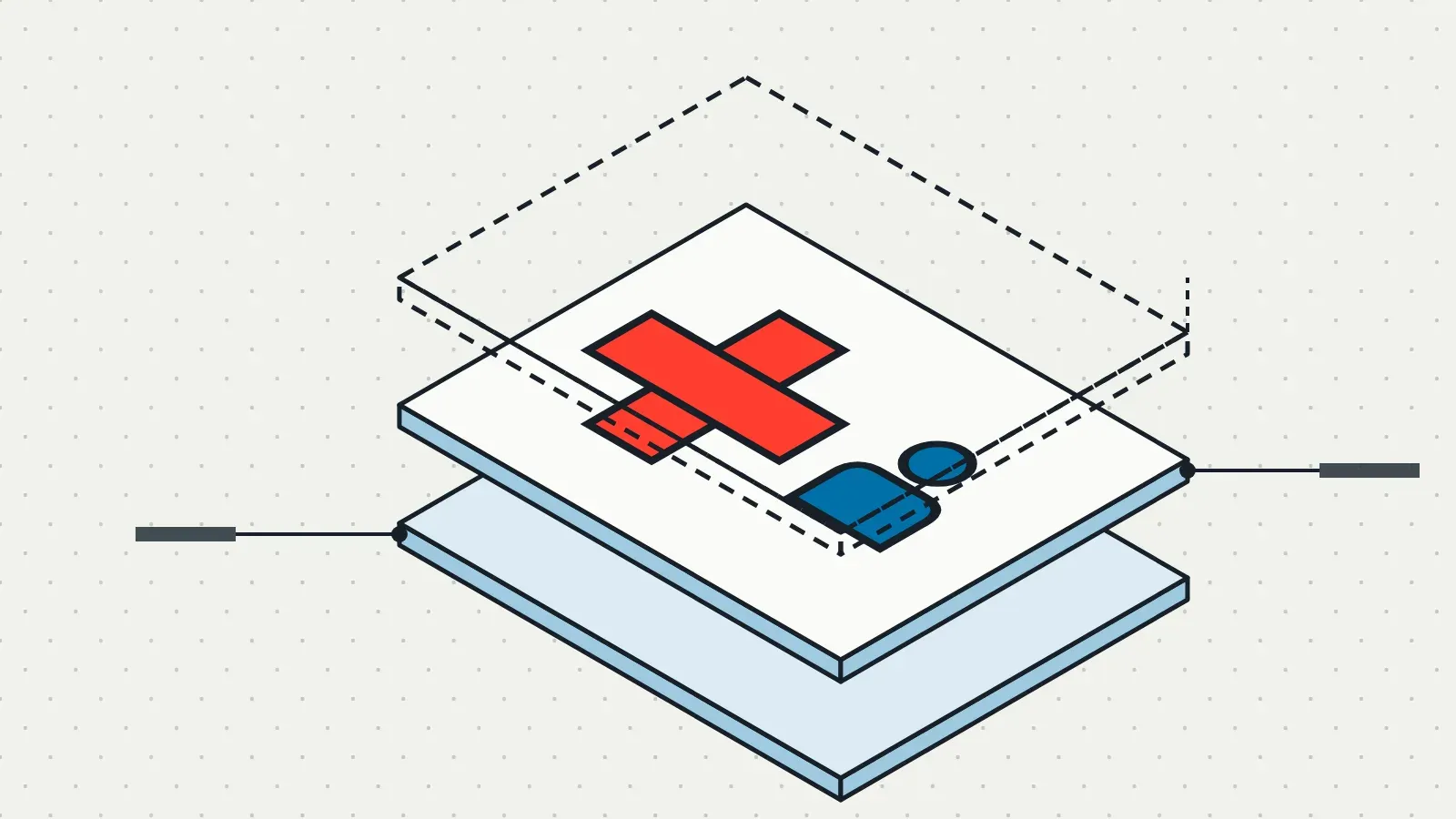
What PIP promises
Most injury claims after a crash go against the other driver's liability coverage, and they wait on a fault decision. PIP skips that step. Your own insurer pays your covered losses up to the PIP limit, whether you caused the crash, the other driver did, or no one can say. The Texas Department of Insurance sums it up: PIP pays your and your passengers' medical bills, and also lost wages and other nonmedical costs.
- Medical and hospital costs, often within a set time after the crash.
- Income loss, usually a share of lost earnings, capped by the week or month.
- Essential services, such as household help an injured person cannot do.
- Funeral costs and, in some states, a death benefit.
Who counts as insured is set by state law and the policy. Kansas, for example, lists you, household relatives, passengers and pedestrians your car strikes. In Kentucky the policy on the vehicle you were in pays first, or the policy on the vehicle that struck you if you were on foot.
No-fault, choice and add-on states
The Insurance Information Institute counts 12 states and Puerto Rico with no-fault auto laws. The Alabama Department of Insurance lists the same 12: Florida, Hawaii, Kansas, Kentucky, Massachusetts, Michigan, Minnesota, New Jersey, New York, North Dakota, Pennsylvania and Utah.
No-fault
PIP is mandatory. In return, you can sue the at-fault driver for pain and suffering only above a threshold: a dollar amount of medical bills, or a serious injury defined in the statute.
Choice no-fault
In New Jersey, Pennsylvania and Kentucky, drivers may reject the lawsuit threshold. Pennsylvania calls the choice full tort or limited tort; Kentucky's rejection is a form filed with the state.
Add-on (fault states)
PIP-style benefits sit on top of the ordinary fault system, with no limit on lawsuits. The III notes that in add-on states first-party coverage may not be mandatory.
| State | Rule | Minimum medical benefit |
|---|---|---|
| Delaware | Required | $15,000 a person, $30,000 a crash |
| Oregon | Required | $15,000 a person |
| Arkansas | Included unless rejected in writing | $5,000 a person |
| Texas | Included unless rejected in writing | $2,500 a person (total PIP) |
| Maryland | Included unless the first named insured waives it | $2,500 a person (total PIP) |
| Washington | Must be offered; rejection in writing | $10,000 |
What PIP pays in practice
State statutes set the floor and the shape of the benefits. Four examples show how far apart they are:
- Florida: $10,000, paying 80% of reasonable medical expenses and 60% of lost income, plus a $5,000 death benefit. Care must start within 14 days, and medical payment is capped at $2,500 unless a qualifying provider finds an emergency medical condition.
- New York: $50,000 per person for economic loss, plus a $2,000 death benefit; insurers must offer $25,000 more as optional basic economic loss.
- Minnesota: $40,000 per person, split into $20,000 for medical expense and $20,000 for income loss and other non-medical loss.
- Michigan: since the 2019 reform, you pick a medical limit from six levels, from unlimited down to none; the lowest levels require qualifying health coverage or Medicare.
PIP is an injury coverage. The Minnesota Department of Commerce notes that it does not pay for damage to your car; that is collision or the other driver's property damage liability.
Deductibles, exclusions and conditions
- Deductibles and copays. Kentucky insurers must offer $250, $500 or $1,000 PIP deductibles on request. Oregon allows up to $250. In New Jersey you pay the deductible and then 20% of the next $5,000 of medical bills.
- Time limits. Oregon pays medical expenses incurred within two years; Florida requires initial care within 14 days.
- Uninsured owners. In Kentucky, a person who owns a vehicle without insurance cannot collect PIP.
- Ride-app driving. Oregon lets a personal policy exclude PIP while the driver is providing transportation network services; see the rideshare endorsement.
- Policy exclusions. Read the PIP endorsement's exclusions section; insurers' wording differs within what each state allows.
How PIP fits with the rest of your policy
Medical payments coverage is the closer cousin: it also pays medical bills whoever caused the crash, but usually not lost income. In New York, the state's insurance department says MedPay generally pays only where no-fault does not apply or after no-fault benefits run out.
PIP handles the first, smaller part of an injury claim. For a serious injury, the larger claim still goes against the at-fault driver's liability coverage, or to your own uninsured motorist coverage if that driver has none, once any no-fault threshold is met.
Choosing a PIP limit, or rejecting it
- Find your state's rule. Required, included unless rejected, or offered: the answer decides whether you have a choice at all.
- Compare with your health plan. Look at its deductible, its coverage of auto injuries, and whether it pays lost income (it usually does not).
- Count the household. PIP often covers relatives who live with you and passengers, who may have no health coverage of their own.
- Read the form before signing a rejection. In Texas and Arkansas the insurer does not have to offer PIP again at renewal after a written rejection; you must ask for it in writing.
Questions drivers ask
Is PIP the same as no-fault insurance?
PIP is the coverage; no-fault is the legal system some states build around it. In a no-fault state PIP is mandatory and lawsuits for pain and suffering are limited. In add-on states you can have PIP and still sue freely.
Does PIP pay my passengers?
Usually yes, within the limit for each injured person. State statutes and the policy define who is covered; Kansas, for example, includes passengers and pedestrians your car strikes.
Can I reject PIP?
In most no-fault states, no; Kentucky is the exception, where you can reject no-fault on a form filed with the state. In states such as Texas, Arkansas and Washington, a named insured can reject it in writing; in Maryland only the first named insured can waive it.
What is the difference between PIP and MedPay?
PIP usually pays lost income and other non-medical losses as well as medical bills; MedPay pays medical and often funeral costs only. See medical payments coverage.
Drawn from
- Insurance Information Institute — Background on: No-fault auto insurance
- Alabama Department of Insurance — State auto insurance laws (tort and no-fault states)
- Texas Department of Insurance — Auto insurance guide
- Florida Statutes § 627.736 (required PIP benefits)
- New York Department of Financial Services — Auto insurance (no-fault)
- Michigan DIFS — Auto insurance frequently asked questions (PIP levels)
- Oregon Revised Statutes, chapter 742 (PIP: ORS 742.520–742.542), 2025 edition
- Kentucky Department of Insurance — No-fault brochure (January 2021)
Facts on this page were checked against these sources on November 15, 2026. State benefit amounts come from the statutes and insurance department pages cited on our state menu pages; PIP wording differs by insurer within each state's rules.
Have this coverage priced
CoverOath doesn't sell insurance. Answer five questions and CoverOath passes your request to licensed insurance agents and insurers, who can quote the coverage; you decide whether to buy anything.
- 1 The coverage you want priced.
- 2 Where an agent can reach you, and your consent.
- 3 A licensed insurance agent or insurer contacts you with a quote. Nothing is bought until you agree.
CoverOath is not paid by you. The licensed insurance agents and insurers who contact you set their own prices and terms. How we make money.
Adjacent layers
-
Core coverage
Medical payments coverage (MedPay)
Pays crash medical and funeral costs for you and passengers, whoever was at fault. Required in Maine and New Hampshire.
-
Add-on
Rideshare endorsement
Keeps your coverage on while a ride app is open and no ride is accepted, when laws often require only 50/100/25.
-
Fine print
Who is covered on your policy
Named insured, resident relatives, drivers you lend the car to: how far coverage reaches and where it stops.