UM required
Washington, D.C. coverage menu: liability and UM required, PIP and UIM offered
The District requires liability and uninsured motorist coverage, and insurers must offer PIP and underinsured motorist coverage. A 2026 law raises the minimums and changes UIM from October 1, 2027. Here is the menu now and what is coming.
By CoverOath Editorial Team Updated 7 min read
The promise, in short
D.C. requires 25/50/10 liability: $25,000 per injured person, $50,000 per crash and $10,000 for property damage. Every policy must also carry uninsured motorist coverage of at least $25,000/$50,000 for injuries and $5,000 for property damage, with a $200 property damage deductible. Insurers must offer personal injury protection and underinsured motorist coverage; you may decline both. The Motor Vehicle Insurance Modernization Amendment Act of 2026 raises the minimums to 50/100/20 as of October 1, 2027. The Department of Insurance, Securities and Banking (DISB) answers at 202-727-8000.
- Minimum liability
- 25/50/10
- PIP
- Must be offered; optional
- UM/UIM
- UM required; UIM offered
Washington, D.C. coverage menu

What a D.C. policy must carry now
D.C. Code §31-2406 sets two required coverages: liability, which pays people you injure and property you damage, and uninsured motorist coverage, which pays you when the at-fault driver has no insurance or cannot be identified.
| Coverage | Minimum | Whom it pays |
|---|---|---|
| Bodily injury liability, per person / per crash | $25,000 / $50,000 | People you injure |
| Property damage liability | $10,000 | Other people's cars and property |
| Uninsured motorist bodily injury, per person / per crash | $25,000 / $50,000 | You and people on your policy |
| Uninsured motorist property damage | $5,000, $200 deductible | Your car |
You may ask for higher UM limits, and the statute lets you request up to $100,000 a person, $300,000 a crash and $25,000 for property damage. The liability limits page explains how people choose limits above the floor.
The $5,000 UM property damage minimum is a low ceiling for car repairs. When an uninsured driver damages your car, the part above it usually falls to your own collision coverage and its deductible, if you carry it.
What insurers must offer
Personal injury protection (§31-2404)
Optional. If you buy it, medical and rehabilitation benefits are at least $50,000 a person, work loss at least $12,000, and funeral costs up to $4,000. Insurers must also offer $100,000 medical and $24,000 work loss options.
Underinsured motorist (§31-2406(c-1))
Optional, offered up to your UM limits. The insurer does not need a written rejection and does not have to offer it again after you turn it down.
PIP in D.C. is tied to a choice about lawsuits: the PIP statute points to §31-2405, which deals with lawsuit restrictions and arbitration for people who choose it. Read that section, or ask your insurer, before you decide. UIM matters because the District's 25/50 liability minimum is low; UIM pays when the at-fault driver's limit runs out.
What changes on October 1, 2027
The Motor Vehicle Insurance Modernization Amendment Act of 2026, D.C. Law 26-155, took effect on August 14, 2026. Its changes to §31-2406 apply as of October 1, 2027. Until then, the limits and rules above still apply. Ask your insurer how and when your policy will move to the new limits and what the higher limits will cost.
- Higher minimums: liability and UM rise to $50,000 a person and $100,000 a crash for injuries, and $20,000 for property damage.
- Enhanced UIM: insurers must include enhanced underinsured motorist coverage unless the first named insured waives it in an affirmative written waiver. Its limit cannot exceed your UM limit.
- Stacking and arbitration: the permission to bar stacking will apply only to standard UIM, not enhanced UIM, and binding arbitration clauses for UIM claims are prohibited on policies issued on or after the applicability date.
- Automatic increases: starting January 1, 2037 and every 10 years after, the minimums rise by $5,000 a person, $10,000 a crash and $2,000 for property damage.
- Rental cars: a renter's own valid coverage becomes primary for a rented vehicle, and the rental company's coverage is secondary unless it agrees in writing to be primary.
Stacking and hit-and-run in D.C.
The current statute lets policies include terms that prevent stacking of uninsured and underinsured coverage, so the policy's own wording decides whether limits on two cars add together. A vehicle whose owner or operator cannot be identified counts as uninsured, so a hit-and-run is a UM claim. Read how stacking works before you compare policies.
Where to check and complain
- Read your declarations page for liability, UM bodily injury, UM property damage, PIP and UIM.
- Ask your insurer how your policy will change at the first renewal after October 1, 2027.
- Contact DISB, the Department of Insurance, Securities and Banking, at 202-727-8000 if an insurer will not explain a coverage or a claim decision.
Questions drivers ask
Is uninsured motorist coverage required in D.C.?
Yes. Every policy must include at least $25,000 a person and $50,000 a crash for injuries, and $5,000 for property damage with a $200 deductible.
Is PIP required in D.C.?
No. Insurers must offer personal injury protection, but buying it is your choice.
Are D.C. minimum limits going up?
Yes. Under D.C. Law 26-155, liability and UM minimums rise to 50/100/20 as of October 1, 2027, with further automatic increases every 10 years from 2037.
Do I have to sign a form to decline UIM in D.C.?
Not under the current law. From October 1, 2027, enhanced UIM will be included unless the first named insured waives it in writing.
Drawn from
- D.C. Code §31-2406, insurance requirements, UM and UIM (D.C. Council Code)
- D.C. Code §31-2404, personal injury protection (D.C. Council Code)
- D.C. Law 26-155, Motor Vehicle Insurance Modernization Amendment Act of 2026 (D.C. Council)
- D.C. Department of Insurance, Securities and Banking — Auto insurance
Facts on this page were checked against these sources on November 15, 2026. D.C. Law 26-155 took effect on August 14, 2026, and its changes to minimum limits and UIM apply as of October 1, 2027.
Have this coverage priced
CoverOath doesn't sell insurance. Answer five questions and CoverOath passes your request to licensed insurance agents and insurers, who can quote the coverage; you decide whether to buy anything.
- 1 The coverage you want priced.
- 2 Where an agent can reach you, and your consent.
- 3 A licensed insurance agent or insurer contacts you with a quote. Nothing is bought until you agree.
CoverOath is not paid by you. The licensed insurance agents and insurers who contact you set their own prices and terms. How we make money.
Adjacent layers
-
Core coverage
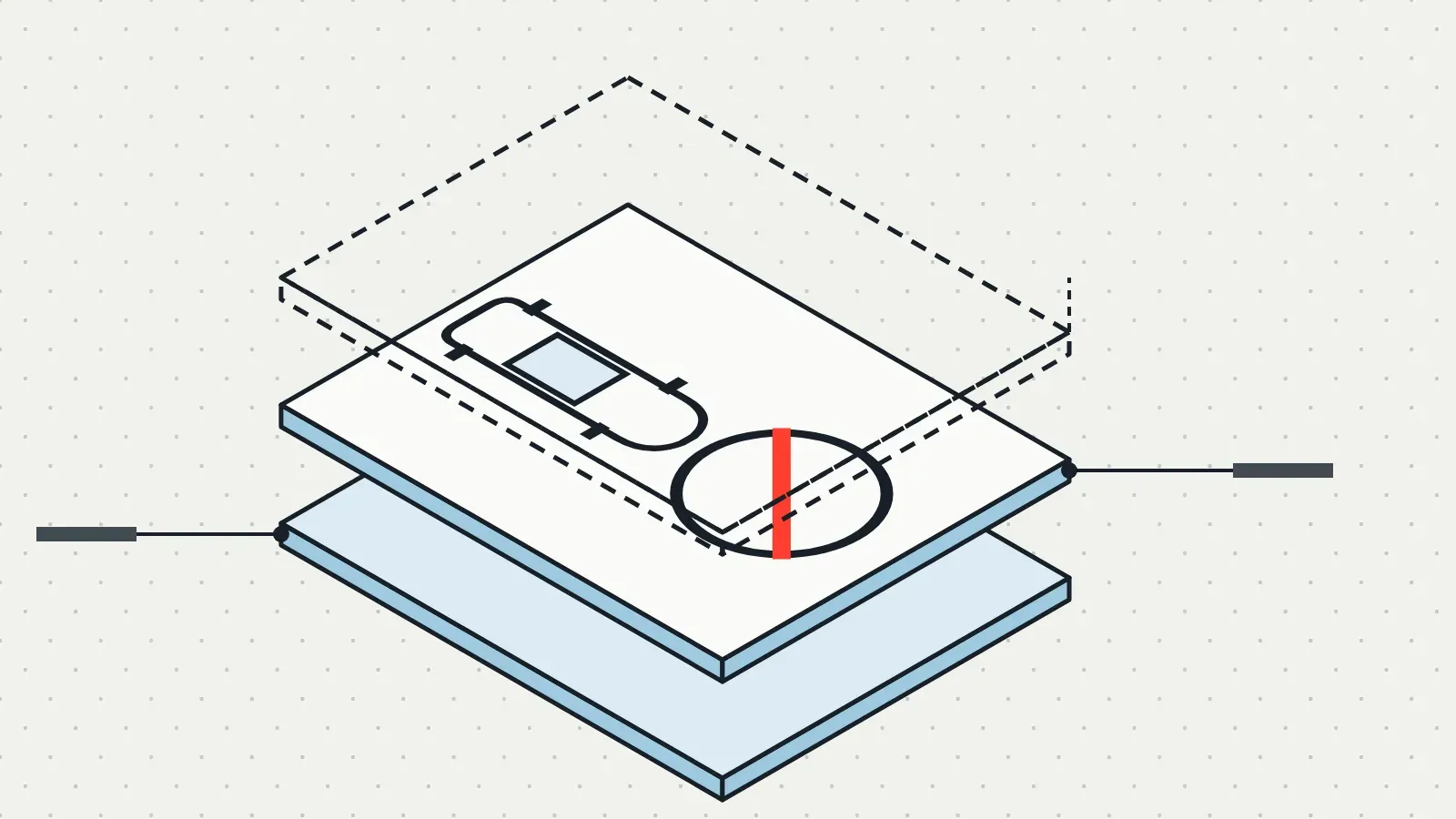
Uninsured motorist coverage (UM)
Pays your injuries when an uninsured or hit-and-run driver is at fault. Required in about 20 jurisdictions.
-
Core coverage
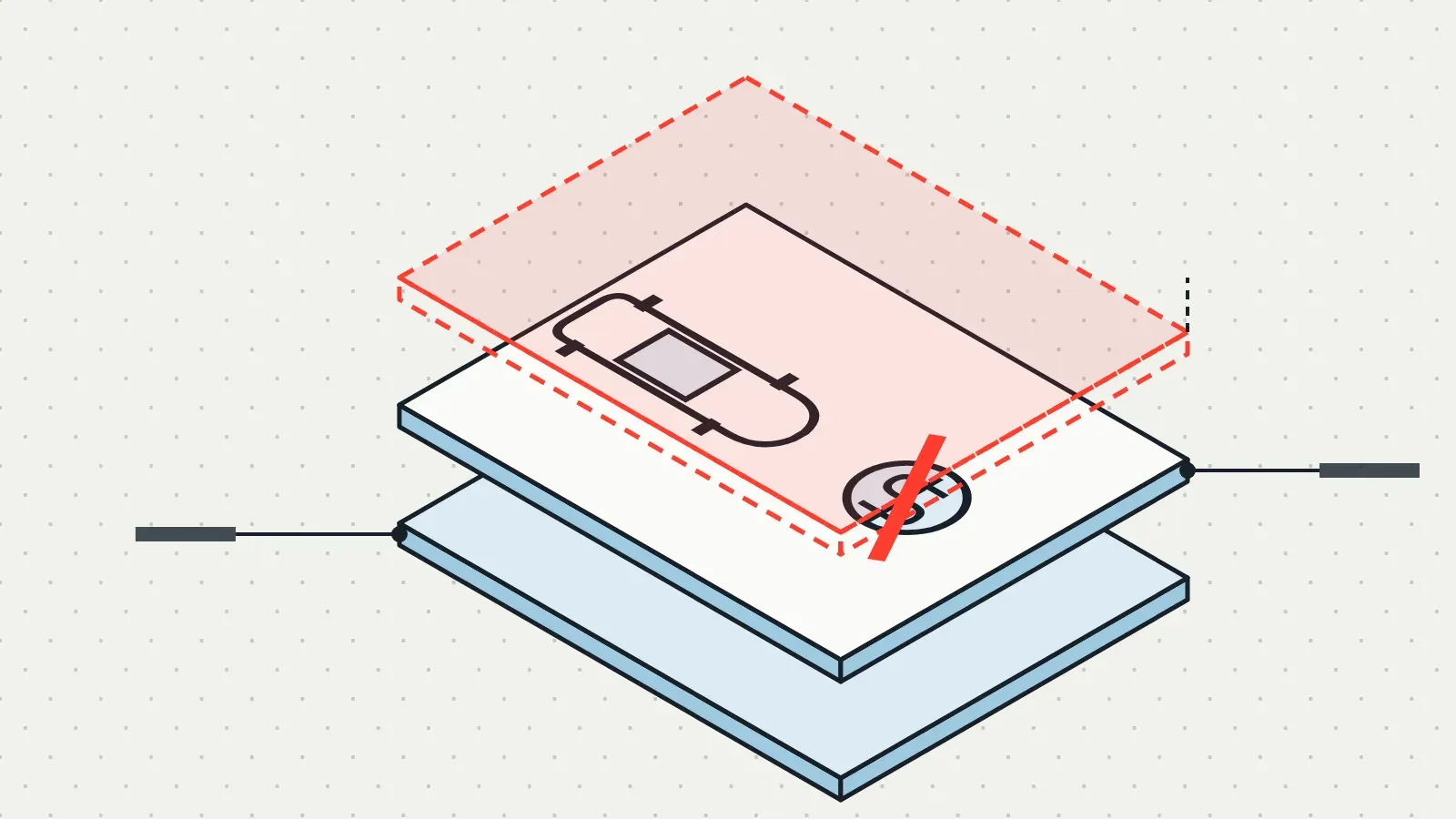
Underinsured motorist coverage (UIM)
Pays your injuries above the at-fault driver's limit. Added-on UIM stacks on their payment; offset UIM subtracts it.
-
Core coverage
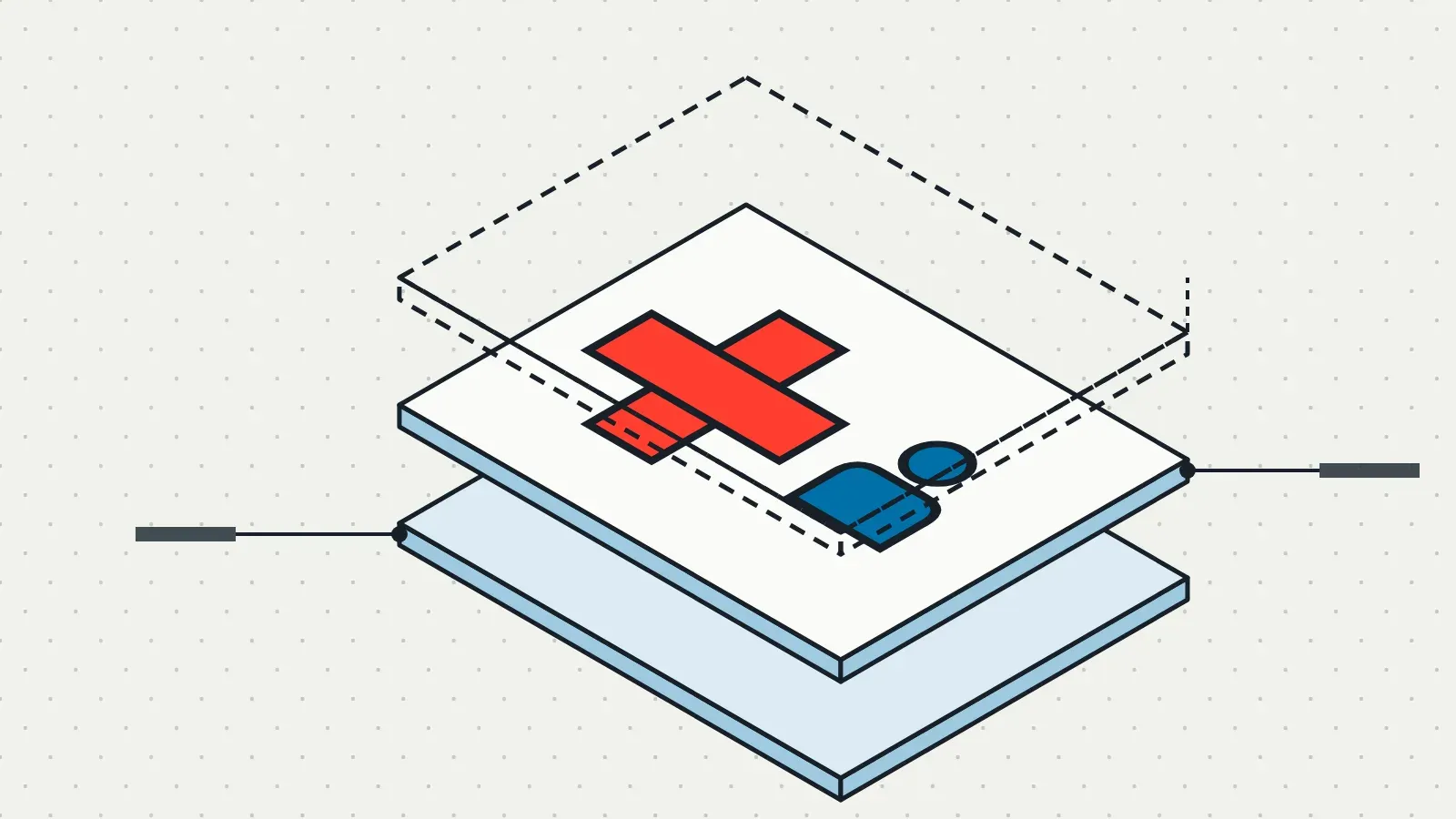
Personal injury protection (PIP)
Pays medical bills and lost income whoever caused the crash. Mandatory in the 12 no-fault states.