UM + UIM required
Vermont coverage menu: low liability floor, higher UM/UIM floor
Vermont asks for modest liability limits but makes every policy carry uninsured and underinsured motorist coverage at twice those bodily injury amounts. Here is what each line pays and what you cannot sign away.
By CoverOath Editorial Team Updated 6 min read
The promise, in short
Vermont requires 25/50/10 liability: $25,000 per injured person, $50,000 per crash and $10,000 for property damage. Every policy must also carry uninsured and underinsured motorist coverage of at least $50,000 a person and $100,000 a crash, plus uninsured motorist property damage up to $10,000 with a $150 deductible. There is no personal injury protection; medical payments coverage is optional. Vermont's statute does not address stacking. The Department of Financial Regulation takes questions and complaints at 800-964-1784.
- Minimum liability
- 25/50/10
- PIP/MedPay
- No PIP; MedPay optional
- UM/UIM
- Required, 50/100 minimum
Vermont coverage menu
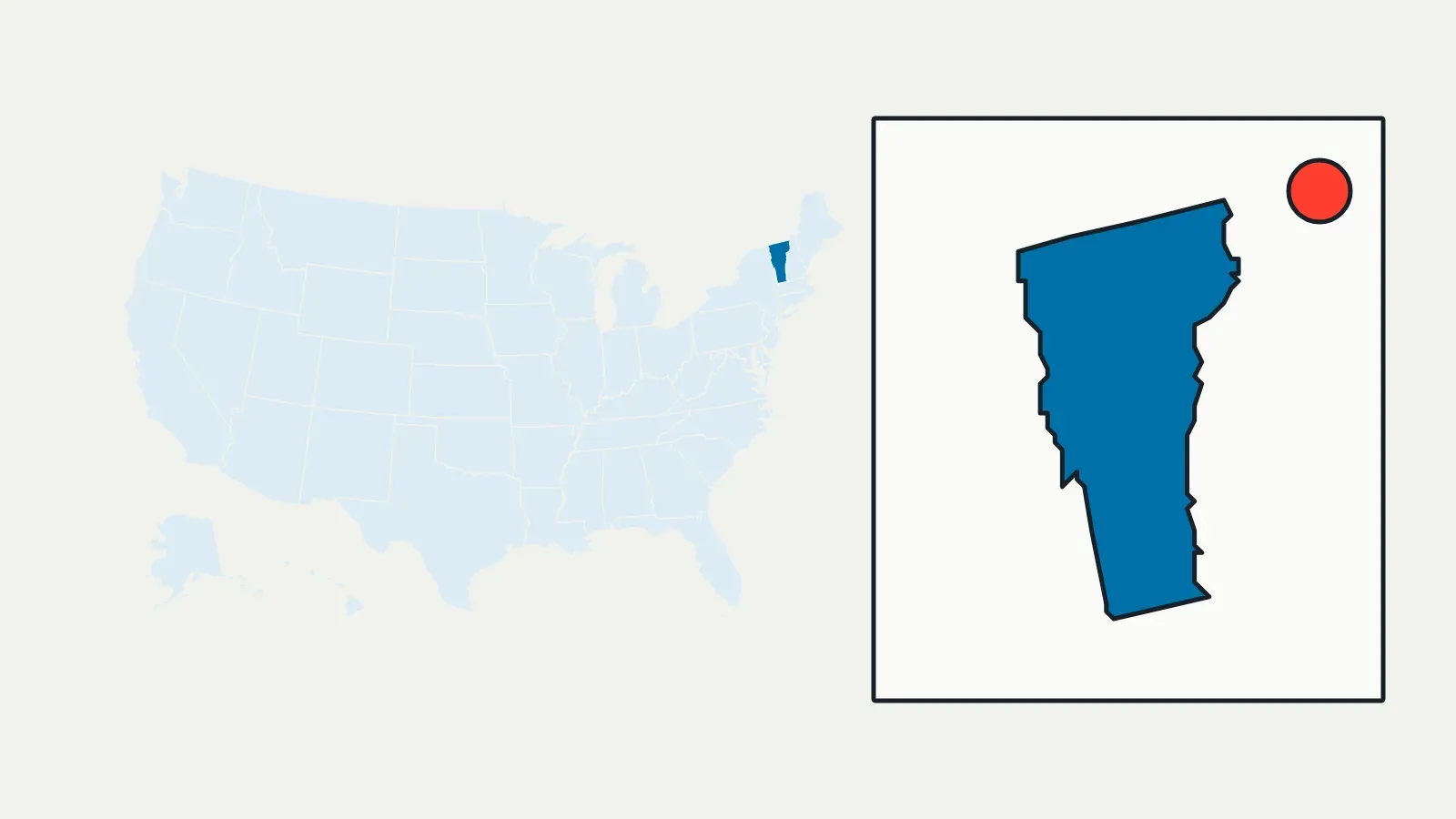
What a Vermont policy must carry
Two coverages are mandatory in Vermont: liability, which pays people you injure and property you damage, and uninsured/underinsured motorist coverage, which pays you. The liability floor comes from 23 V.S.A. §800; the UM/UIM floor comes from 23 V.S.A. §941.
| Coverage | Minimum | Whom it pays |
|---|---|---|
| Bodily injury liability, per person | $25,000 | A person you injure |
| Bodily injury liability, two or more people | $50,000 | Everyone you injure in one crash |
| Property damage liability | $10,000 | Other people's cars and property |
| UM/UIM bodily injury, per person / per crash | $50,000 / $100,000 | You and people insured on your policy |
| UM property damage | Up to $10,000 a claim, $150 deductible | Your car, when an uninsured driver is at fault |
The UM/UIM minimum is twice the liability minimum, so a Vermont driver who buys only the legal floor still carries more protection for their own injuries than for the people they hit. A $10,000 property damage limit is also low next to the price of a newer car; the liability limits page explains how people pick higher limits.
UM and UIM cannot be signed away
Section 941 says no liability policy may be issued in Vermont for a car registered or garaged here unless it includes uninsured motorist protection. The statute contains no rejection form. If your liability limit is above $50,000 a person, your UM limits must match it unless the policyholder directs otherwise, but they cannot go below $50,000/$100,000.
Uninsured motorist
Pays your injuries when the at-fault driver has no liability insurance, including a hit-and-run driver, or when that driver's insurer is insolvent. See UM coverage.
Underinsured motorist
Applies when the at-fault driver's limits are lower than your UM limits, or have been reduced below them by payments to others hurt in the same crash. See UIM coverage.
Vermont defines "underinsured" by comparing limits, not damages. If the other driver carries $25,000 and your UM/UIM limit is $100,000, the other car counts as underinsured to the extent of that gap. Your insurer can then recover what it paid from the person responsible.
Uninsured motorist property damage
Vermont's UM coverage also reaches your property. When an uninsured driver damages your car, the policy pays up to $10,000 a claim after a $150 deductible. Section 941 sets that $10,000 as a cap, not a floor you can raise, so a newer car may need collision coverage to be fully protected. The UMPD page compares the two.
In practice the order runs like this. The uninsured driver's missing coverage triggers UM property damage. You pay the first $150, the policy pays the rest up to $10,000, and anything above that usually falls to your collision coverage, if you carry it, or to you.
Medical payments and other optional coverage
- Medical payments pays medical bills for you and your passengers whatever the fault, and Vermont does not require it. See MedPay.
- Collision and comprehensive pay for your own car; a lender or lease company will require both. Glass breakage falls under comprehensive and its deductible in the state guide.
- Add-ons such as rental reimbursement and gap coverage on a financed car.
Stacking in Vermont
Section 941 does not say whether UM/UIM limits on several cars or several policies can be added together. With no statutory rule, the limit of liability and other insurance clauses in your policy decide. Ask your insurer how your policy treats two cars, and read how stacking works.
Where to check and complain
- Read your declarations page for your UM/UIM bodily injury and property damage limits.
- Compare them with your liability limits. If liability is above $50,000 a person and UM/UIM is lower, ask your insurer why.
- Contact the Vermont Department of Financial Regulation, Insurance Division, at 800-964-1784 if an insurer will not explain a coverage or a claim decision.
Questions drivers ask
Is uninsured motorist coverage required in Vermont?
Yes. Every policy must carry uninsured and underinsured motorist coverage of at least $50,000 a person and $100,000 a crash, plus up to $10,000 of property damage coverage with a $150 deductible.
Does Vermont require PIP?
No. Vermont has no personal injury protection requirement. Medical payments coverage is optional.
Why is the UM/UIM minimum higher than the liability minimum in Vermont?
Section 941 sets its own floor of $50,000/$100,000 for UM/UIM, separate from the 25/50/10 liability minimum in section 800. The UM/UIM limit protects you; the liability limit protects the people you hit.
Drawn from
- 23 V.S.A. §941, uninsured, underinsured and insolvent insurer coverage (Vermont General Assembly)
- 23 V.S.A. §800, minimum liability limits (Vermont General Assembly)
- Vermont Department of Financial Regulation — Consumer's Guide to Auto Insurance (revised May 22, 2019)
- Vermont Department of Financial Regulation — Contact us (insurance consumer inquiries)
Facts on this page were checked against these sources on November 15, 2026. The UM/UIM minimum of $50,000/$100,000 and the $150 property damage deductible are set in 23 V.S.A. §941, last amended in 2025.
Have this coverage priced
CoverOath doesn't sell insurance. Answer five questions and CoverOath passes your request to licensed insurance agents and insurers, who can quote the coverage; you decide whether to buy anything.
- 1 The coverage you want priced.
- 2 Where an agent can reach you, and your consent.
- 3 A licensed insurance agent or insurer contacts you with a quote. Nothing is bought until you agree.
CoverOath is not paid by you. The licensed insurance agents and insurers who contact you set their own prices and terms. How we make money.
Adjacent layers
-
Core coverage
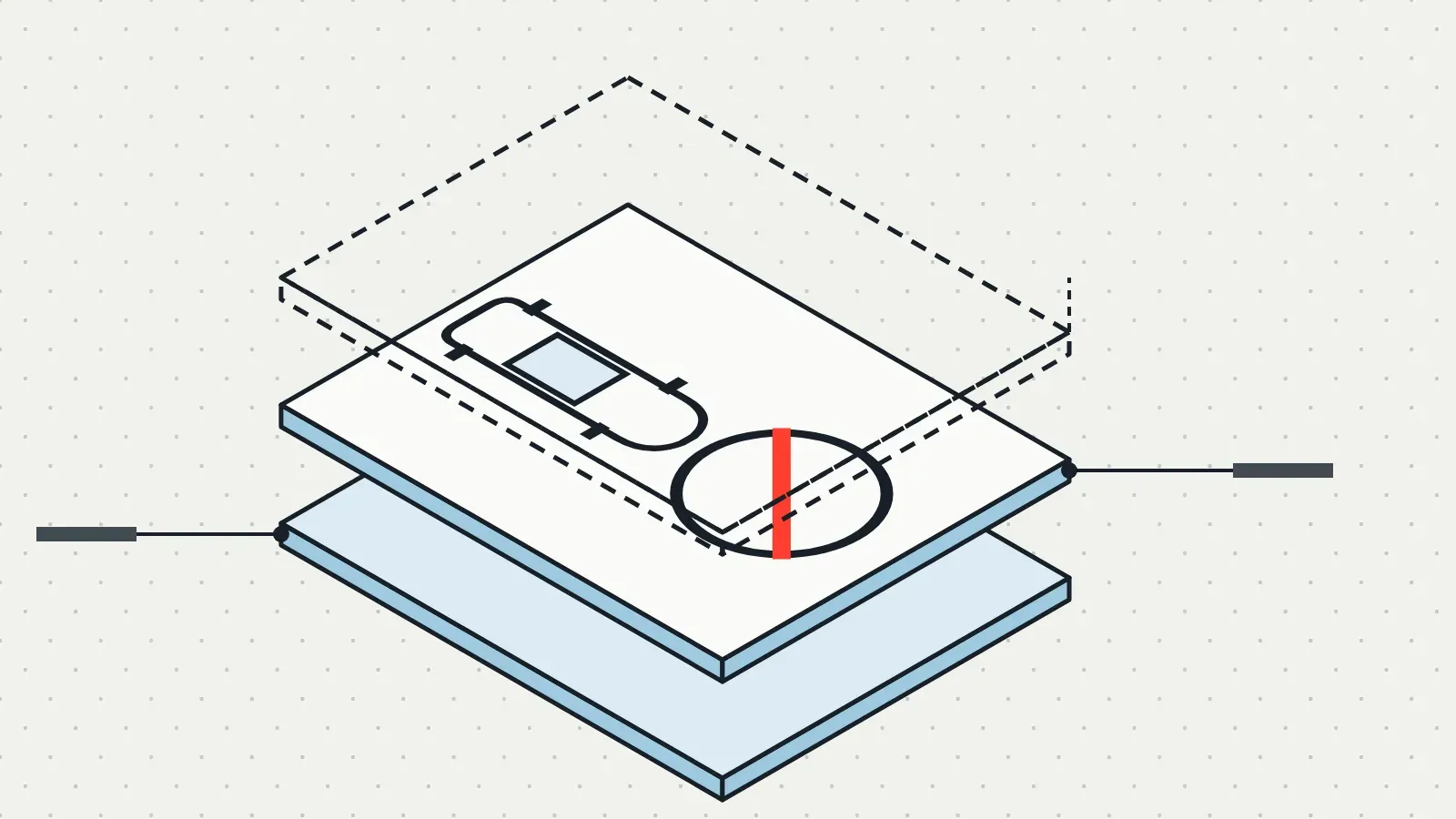
Uninsured motorist coverage (UM)
Pays your injuries when an uninsured or hit-and-run driver is at fault. Required in about 20 jurisdictions.
-
Core coverage
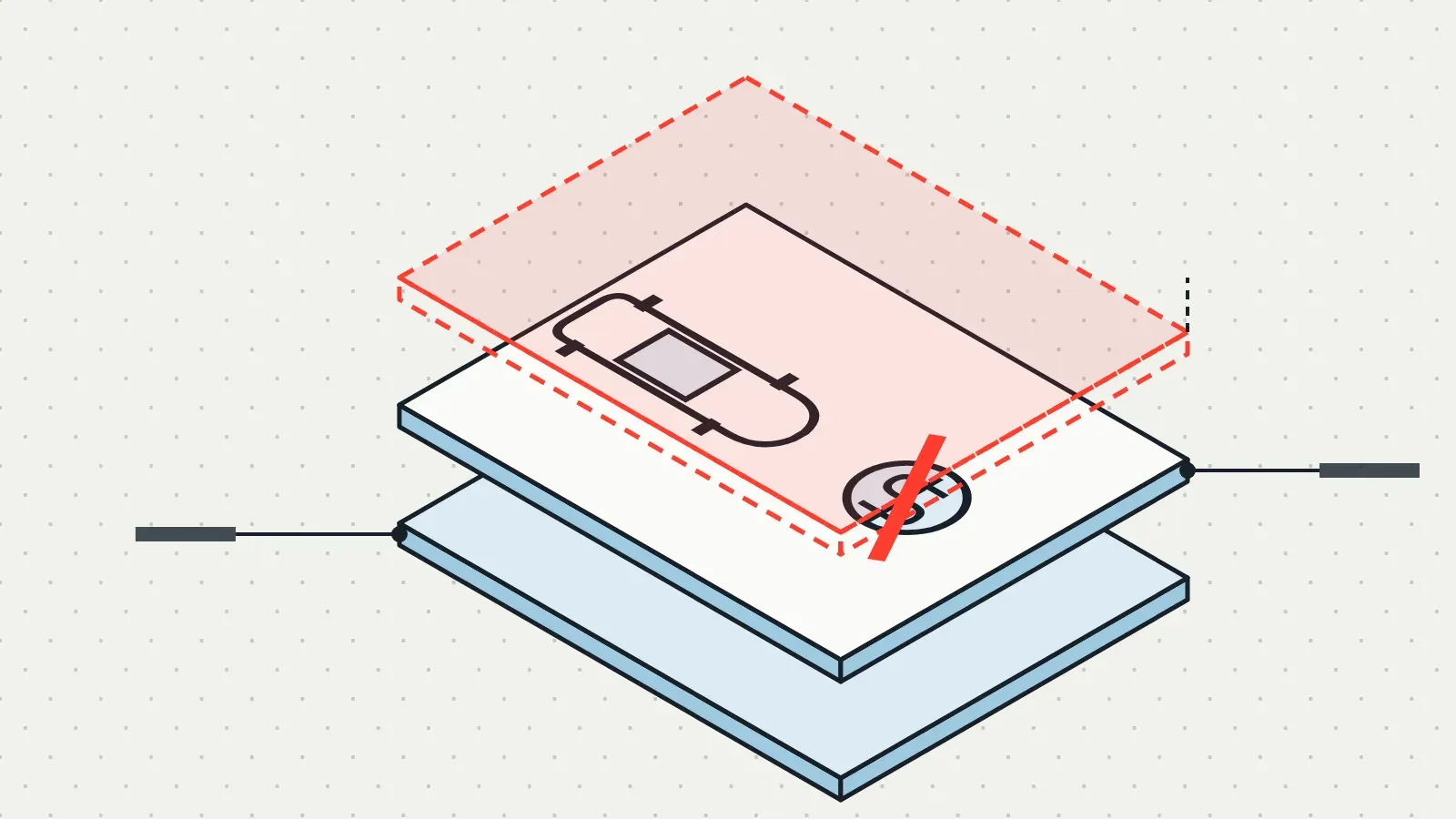
Underinsured motorist coverage (UIM)
Pays your injuries above the at-fault driver's limit. Added-on UIM stacks on their payment; offset UIM subtracts it.
-
Core coverage
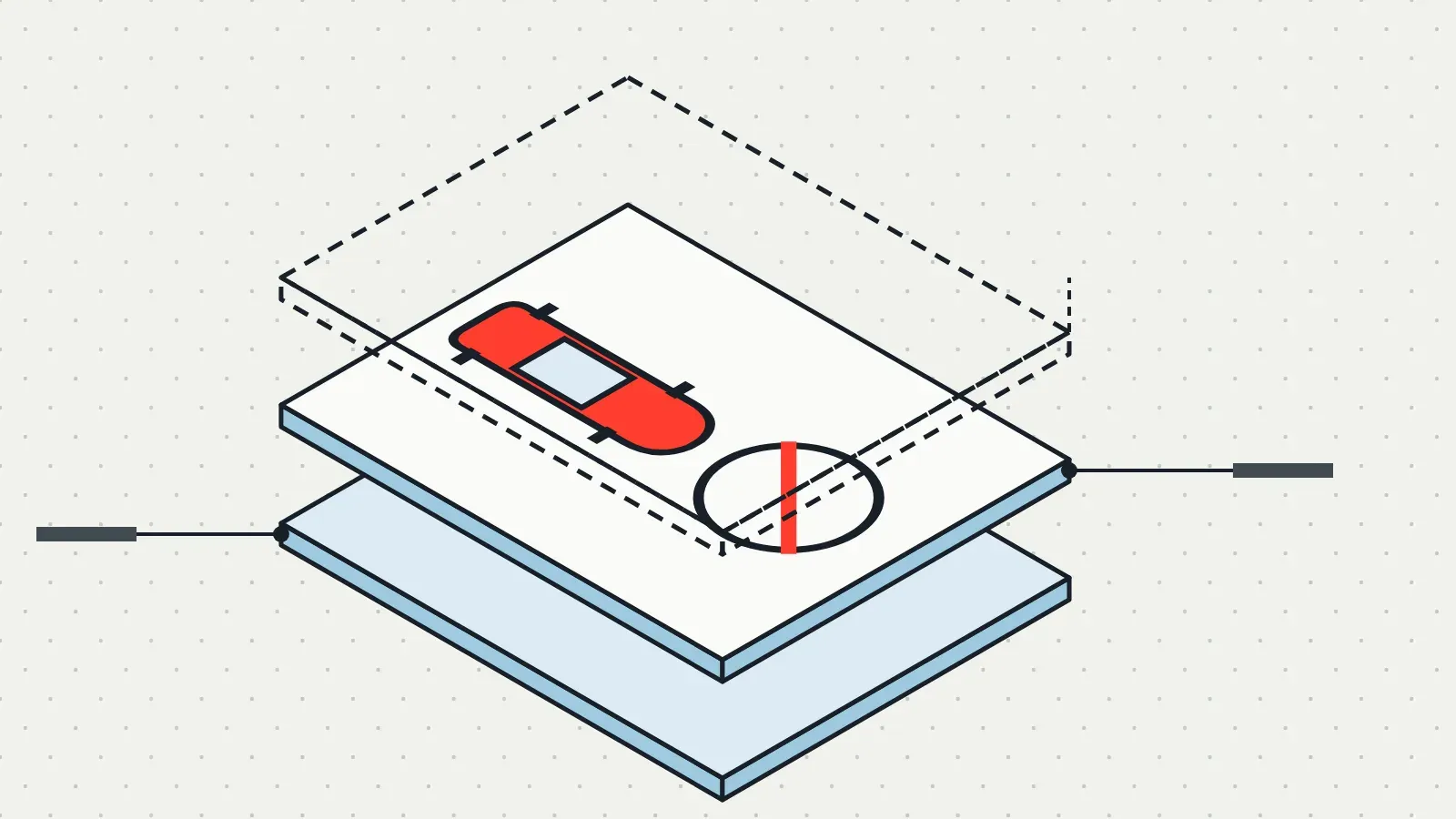
Uninsured motorist property damage (UMPD)
Pays to fix your car when an identified uninsured driver is at fault. California caps it at $3,500.