UM required
Illinois coverage menu: liability and uninsured motorist required, UIM tied to your UM limits
Illinois is one of the states where you cannot sign uninsured motorist coverage away. You can lower it to the minimum, and underinsured coverage follows the limit you pick. Here is how the pieces fit.
By CoverOath Editorial Team Updated 6 min read
The promise, in short
Illinois requires 25/50/20 liability and uninsured motorist coverage of at least $25,000 per person and $50,000 per crash. UM equals your liability limits unless you ask in writing for lower limits. Underinsured motorist coverage is required only when your UM limits are above the minimum, and then it matches them. Uninsured motorist property damage must be offered with a deductible of no more than $250. Illinois has no PIP. The Department of Insurance hotline is 866-445-5364.
- Minimum liability
- 25/50/20
- MedPay
- No PIP; MedPay optional
- UM/UIM
- UM required at 25/50
Illinois coverage menu
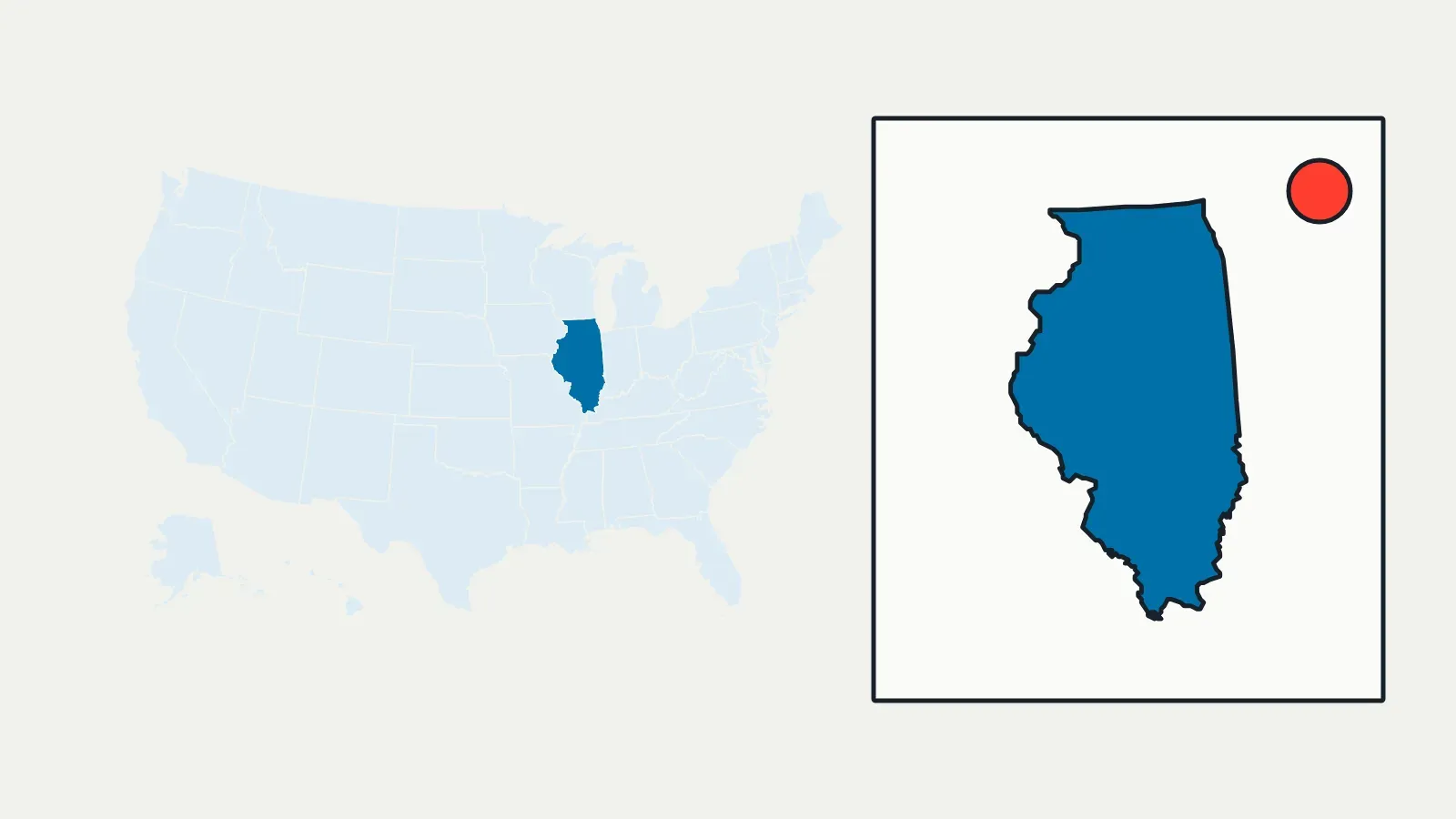
What an Illinois policy must carry
Illinois law requires two coverages: liability at 25/50/20 or more, and uninsured motorist bodily injury coverage. Liability pays the people you hurt and the property you damage. UM pays your own injuries when the at-fault driver has no insurance or drives off and cannot be found.
| Coverage | Minimum | What it pays |
|---|---|---|
| Bodily injury, per person | $25,000 | One injured person's claim against you |
| Bodily injury, per accident | $50,000 | Everyone you injure in one crash |
| Property damage | $20,000 | Other people's cars and property |
| Uninsured motorist bodily injury | $25,000 / $50,000 | Your injuries caused by an uninsured or hit-and-run driver |
The $20,000 property damage minimum applies to policies issued or renewed on or after January 1, 2015. The Department of Insurance notes that these minimums may not be enough to protect you from a lawsuit; see how much liability coverage you need.
Uninsured and underinsured motorist rules
UM is mandatory
Under 215 ILCS 5/143a-2, UM must equal your bodily injury liability limits unless you reject that amount. You can ask in writing for lower UM limits, but not below the 25/50 minimum.
UIM follows UM
When your UM limits are above the 25/50 minimum, the policy must also include UIM in the same amount. At the minimum, no UIM is required.
Illinois UIM works as a difference in limits. The insurer's limit is your UIM limit minus what you actually recover from the at-fault driver's liability coverage. If you carry 100/300 and the other driver pays $25,000, your UIM can pay up to $75,000 more for one injured person.
The UM statute also tells policies how disputes over a UM claim are settled: policies must contain arbitration language, and an arbitration award binds both sides up to $75,000 for one person and $150,000 for two or more people in one crash, or the policy limits if lower. That is a term of the contract worth knowing before you need it, not a reason to pick a lower limit.
Uninsured motorist property damage
UM property damage is optional in Illinois, but insurers must make it available for private passenger vehicles. The Department of Insurance says you can buy it with or without collision coverage.
- Limit: the actual cash value of your car or the policy limit, whichever is less.
- Deductible: no more than $250.
- No signature needed to decline: not paying the UMPD premium is conclusive proof you chose not to buy it.
- Identified drivers only: there is no UMPD payment if the at-fault driver cannot be identified, and insurers may limit it to actual physical contact with your car.
MedPay, optional coverages and stacking
Collision and comprehensive are not required by Illinois law. A lender or lease company will usually require both for as long as the loan or lease runs, and add-ons such as rental reimbursement are sold by each insurer on its own terms.
Illinois does not require PIP. Medical payments coverage is optional; the Department of Insurance describes it as paying medical and funeral costs for you and your passengers, and family members hit while walking or riding in another car, even if you caused the crash.
Section 143a-2(5) lets insurers write anti-stacking terms. If you are covered under more than one policy, a policy may limit recovery to the highest single applicable limit, and UM/UIM limits do not grow because the policy covers several cars. Read the limit of liability section; how stacking works explains the terms.
Where to check and complain
- Read your declarations page for your liability, UM and UIM limits, and whether UMPD is listed.
- Ask the insurer for any written request that lowered your UM below your liability limits.
- Call the Illinois Department of Insurance Consumer Assistance Hotline at 866-445-5364 if an insurer will not explain a coverage.
Questions drivers ask
Can I reject uninsured motorist coverage in Illinois?
No. UM bodily injury is required. You can ask in writing for UM limits lower than your liability limits, down to $25,000/$50,000.
Is underinsured motorist coverage required in Illinois?
Only when your UM limits are above the 25/50 minimum. Then UIM must be included in the same amount.
Do I need uninsured motorist property damage in Illinois?
No. Insurers must offer it with a deductible of no more than $250, and you decline it simply by not paying for it.
Does Illinois require PIP?
No. Illinois has no PIP requirement; medical payments coverage is optional.
Drawn from
- 625 ILCS 5/7-203 (minimum liability limits)
- 215 ILCS 5/143a (uninsured motorist and UM property damage)
- 215 ILCS 5/143a-2 (UM limits, UIM, anti-stacking terms)
- Illinois Department of Insurance — Auto insurance shopping guide
- Illinois Department of Insurance — Auto insurance definitions
- Illinois Department of Insurance — Consumers
Facts on this page were checked against these sources on November 15, 2026. The rule tying UIM to UM limits above the minimum is 215 ILCS 5/143a-2(4).
Have this coverage priced
CoverOath doesn't sell insurance. Answer five questions and CoverOath passes your request to licensed insurance agents and insurers, who can quote the coverage; you decide whether to buy anything.
- 1 The coverage you want priced.
- 2 Where an agent can reach you, and your consent.
- 3 A licensed insurance agent or insurer contacts you with a quote. Nothing is bought until you agree.
CoverOath is not paid by you. The licensed insurance agents and insurers who contact you set their own prices and terms. How we make money.
Adjacent layers
-
Core coverage
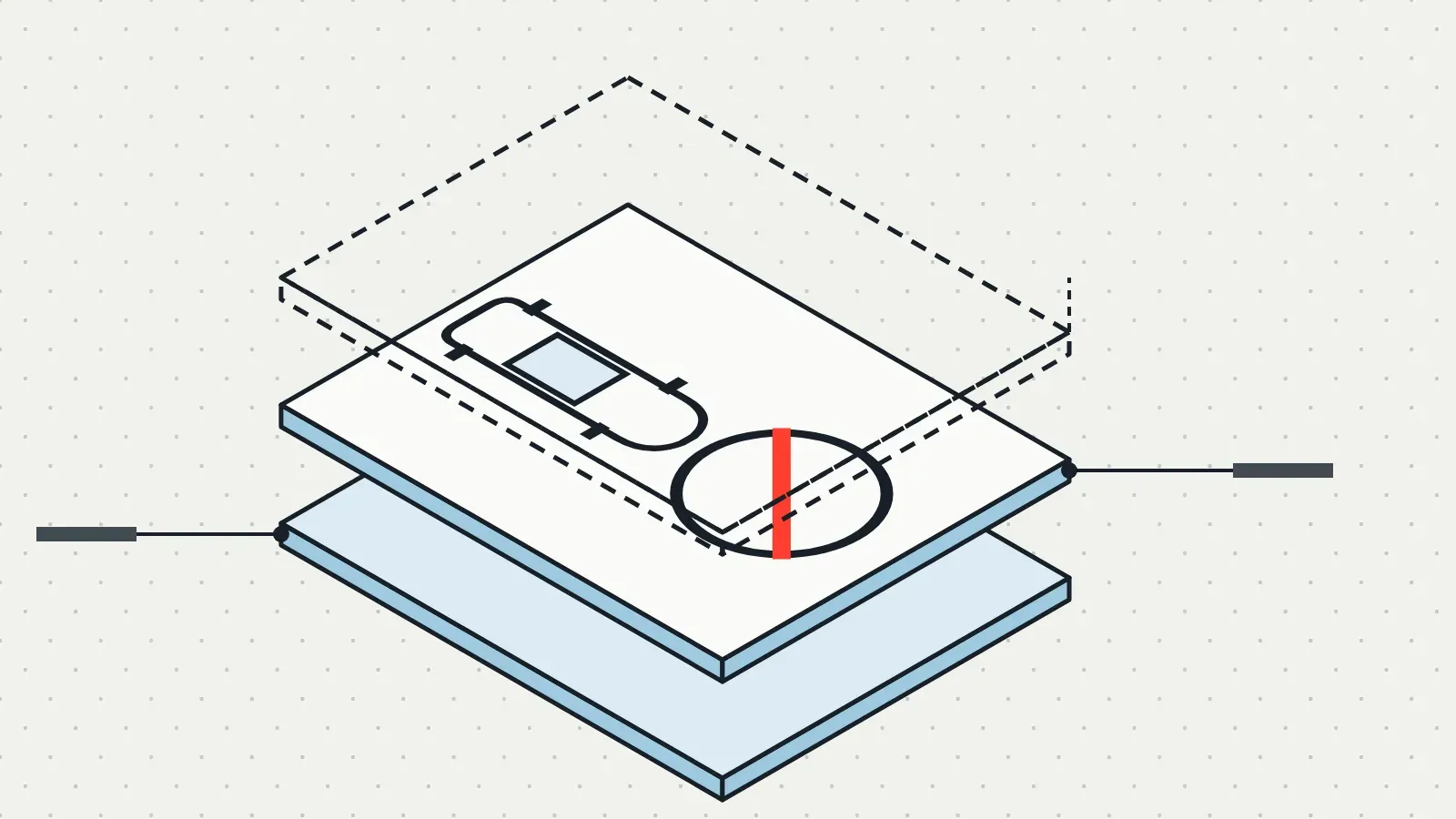
Uninsured motorist coverage (UM)
Pays your injuries when an uninsured or hit-and-run driver is at fault. Required in about 20 jurisdictions.
-
Core coverage
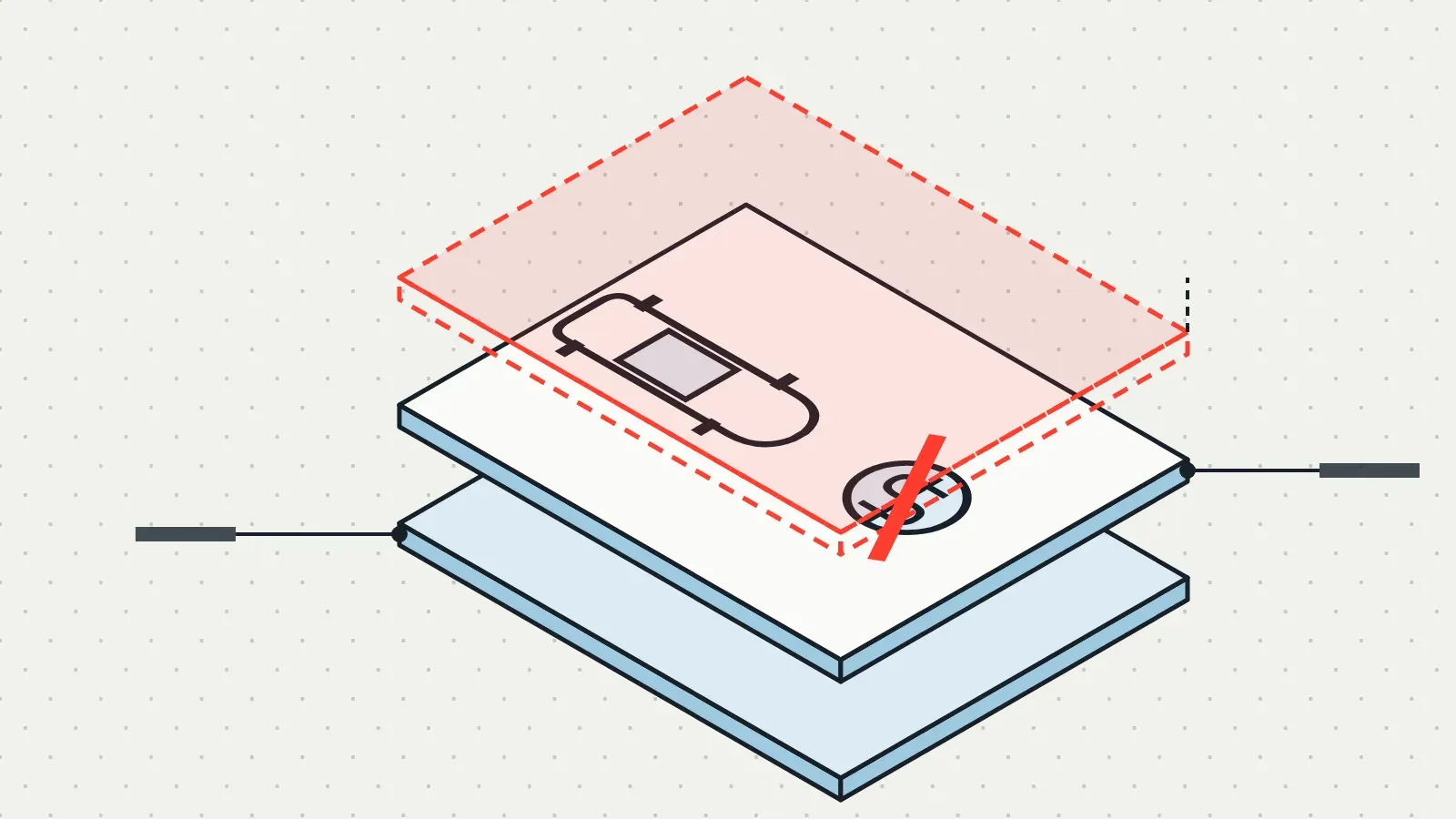
Underinsured motorist coverage (UIM)
Pays your injuries above the at-fault driver's limit. Added-on UIM stacks on their payment; offset UIM subtracts it.
-
Core coverage
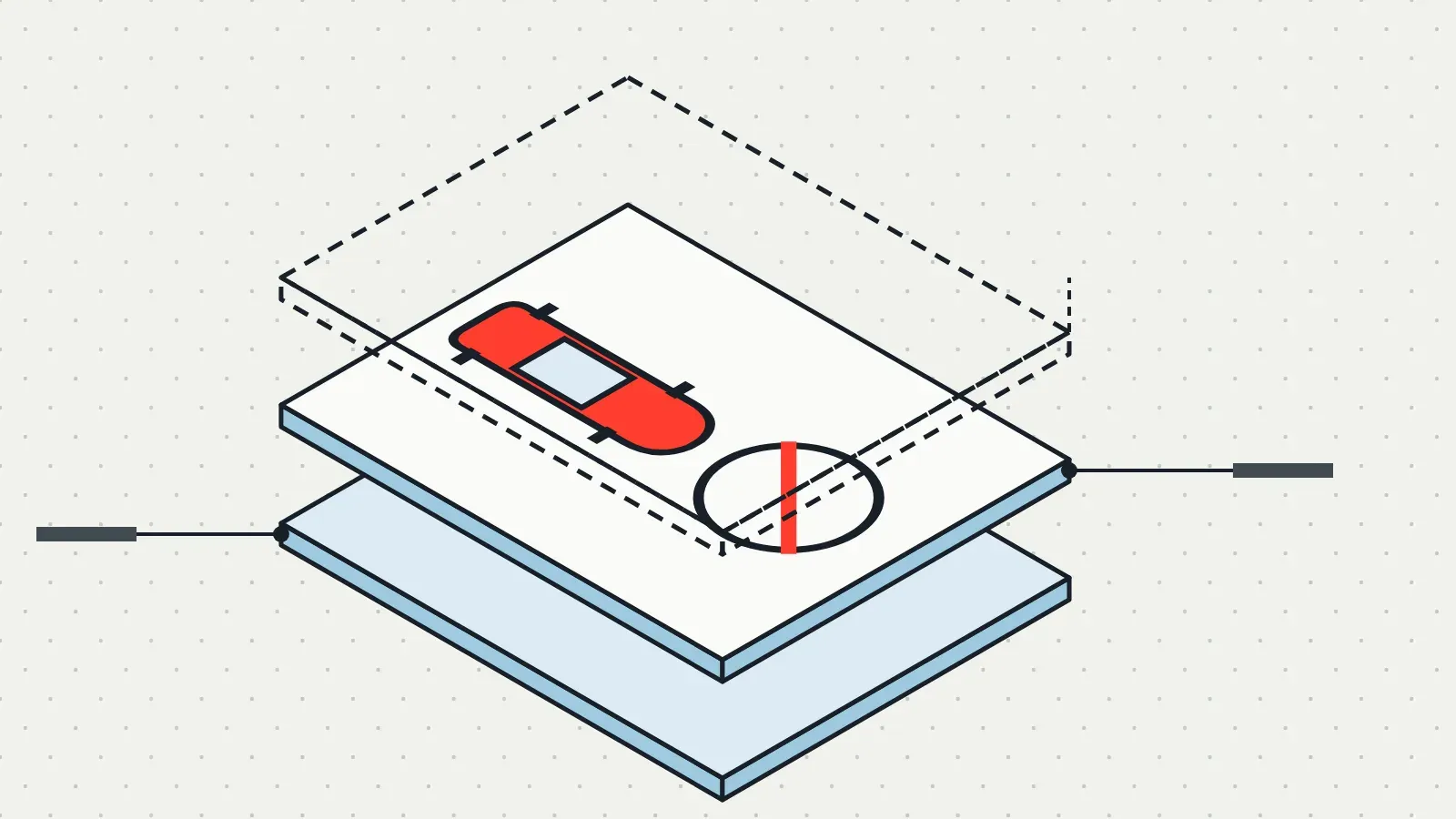
Uninsured motorist property damage (UMPD)
Pays to fix your car when an identified uninsured driver is at fault. California caps it at $3,500.