Offer, reject in writing
Tennessee coverage menu: liability required, uninsured motorist included unless you reject it in writing
Tennessee requires liability and puts uninsured motorist coverage on every policy at matching limits. A named insured can lower it or turn it down on paper. Here is what each choice changes.
By CoverOath Editorial Team Updated 5 min read
The promise, in short
Tennessee requires 25/50/25 liability, or a $65,000 single limit; the property damage minimum rose from $15,000 to $25,000 for proof required after December 31, 2022. Every policy must include uninsured motorist coverage at limits equal to your bodily injury liability, and in Tennessee that coverage also reaches underinsured drivers. A named insured may reject it completely or choose lower limits in writing. There is no PIP requirement. The Department of Commerce and Insurance answers policy questions at 1-800-342-4029.
- Minimum liability
- 25/50/25
- PIP
- No PIP requirement
- UM/UIM
- Included; can reject
Tennessee coverage menu
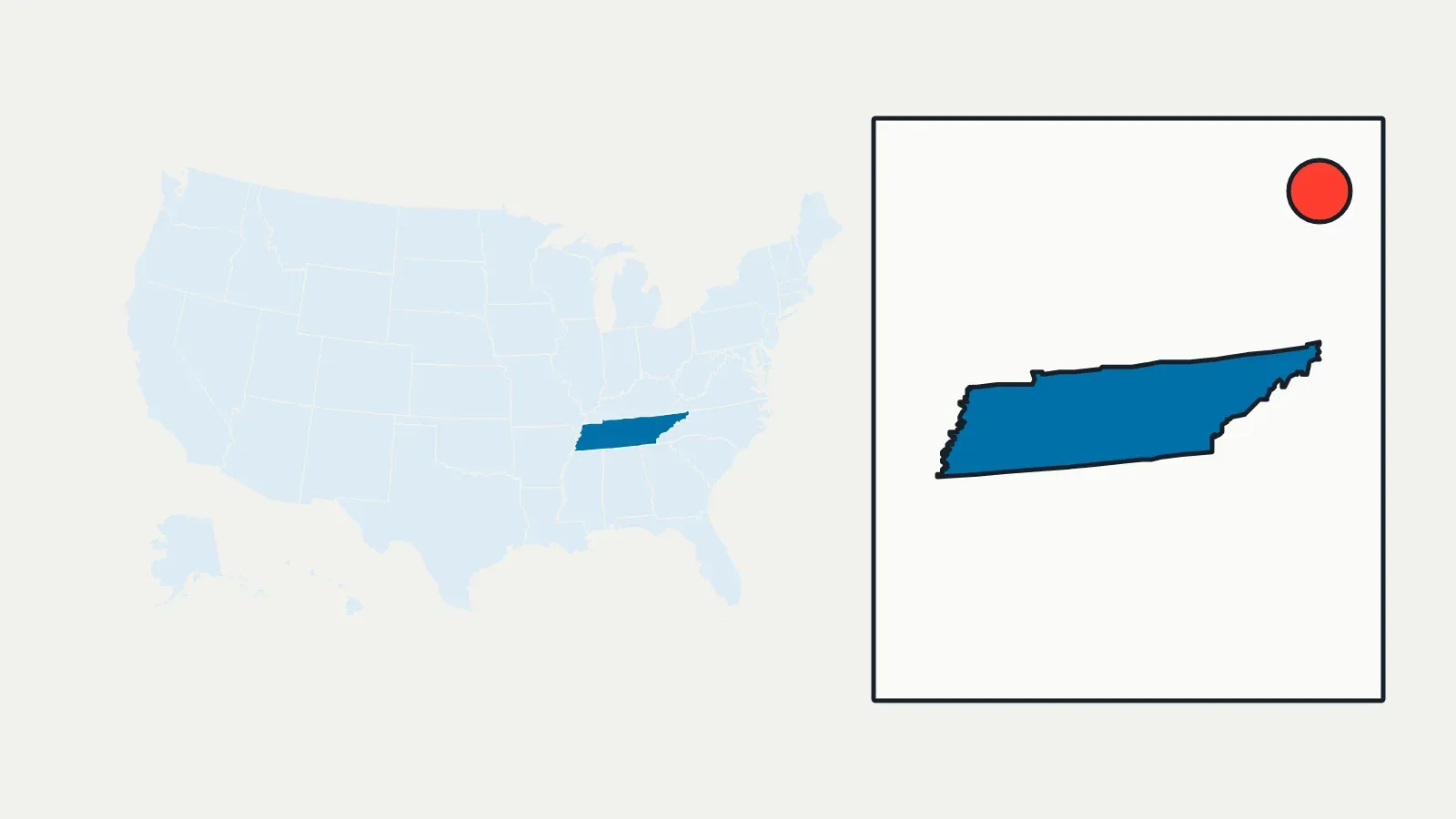
What a Tennessee policy must carry
Tennessee's financial responsibility law, Tenn. Code §55-12-102, sets the amounts a policy must meet. They are the floor for bodily injury and property damage liability, the coverages that pay other people when you cause a crash.
| Coverage | Minimum | What it pays |
|---|---|---|
| Bodily injury, per person | $25,000 | One injured person's claim |
| Bodily injury, per accident | $50,000 | Everyone injured in one crash |
| Property damage | $25,000 | Other people's cars and property |
| Or a single limit | $65,000 | All of the above, from one pool |
These are minimums. Anything a claim costs above your limits is yours to pay. See how much liability coverage you need and split limits vs. a single limit.
Uninsured motorist coverage and the rejection form
Tenn. Code §56-7-1201 says every auto liability policy delivered, issued or renewed in Tennessee shall include uninsured motorist coverage. Subsection (a) sets the UM limits equal to the bodily injury liability limits in the policy, and lets any named insured reject the coverage completely in writing, or select lower limits, but not below the state minimum in §55-12-107. A signed rejection or selection binds every insured, and the insurer does not have to offer the coverage again at renewal unless a named insured asks for it in writing. Excess and umbrella policies do not have to carry it.
Underinsured is included
Section 56-7-1202 defines an uninsured motor vehicle to include one whose available liability limits are less than your UM limits. Tennessee has no separate UIM line; the UM coverage does both jobs.
Property, too
The same definition speaks of bodily injury, death or damage to property of an insured. How your policy handles car damage and any deductible is in its uninsured motorist part.
PIP and medical payments
Tennessee lists liability limits as its only minimum coverage requirement, so there is no personal injury protection mandate. Crash injuries are claimed against the at-fault driver's liability coverage, your UM coverage or your health insurance. Medical payments coverage is not required.
Stacking uninsured motorist limits
Tennessee limits stacking by statute. Under §56-7-1201(b), UM limits are not increased because you insure several vehicles or carry several policies:
- In your own car: only the UM limits on the vehicle you were in apply, and total recovery cannot exceed those limits.
- Not in any vehicle: only the policy with the highest UM limits applies; UM from no more than one policy is primary.
- In someone else's car: that car's UM pays first, then your own policy as excess, but total benefits cannot exceed the highest single UM limit among the policies.
How stacking works explains the terms. Because limits do not add up, the UM limit you choose on each policy is the most that policy will pay.
Rideshare drivers in Tennessee
Tennessee's ridesharing law took effect January 1, 2016. According to the Department of Commerce and Insurance, a driver logged on and waiting for a ride needs primary liability coverage of at least 50/100/25, and once a ride is accepted, at least $1,000,000. A personal auto insurer may expressly exclude coverage while you act as a ride-app driver. The rideshare endorsement page explains the gap and how an endorsement closes it.
Optional coverages Tennesseans add
- Collision and comprehensive for your own car; a lender or lease company will require both.
- Medical payments, to pay injury bills for you and your passengers without waiting for a fault decision.
- Add-ons such as rental reimbursement, roadside assistance and gap coverage on a financed car.
The statute ties UM limits to your liability limits. If you raise liability, check both lines on the new declarations page, and ask the insurer whether an earlier rejection or lower-limit election still applies to the changed policy.
Where to check and complain
- Read your declarations page for liability limits and the UM limit, and compare the two.
- Ask the insurer for any signed rejection or lower-limit form if UM is missing or lower than liability.
- Call Consumer Insurance Services at the Department of Commerce and Insurance, 615-741-2218 or 1-800-342-4029, or file a complaint online if an insurer will not explain a coverage or a claim decision.
Questions drivers ask
Is uninsured motorist coverage required in Tennessee?
It must be included on every policy at your liability limits, but any named insured may reject it completely or choose lower limits in writing.
Does Tennessee have underinsured motorist coverage?
Yes, inside the UM coverage. Tennessee defines an uninsured vehicle to include one whose liability limits are below your UM limits.
What is the minimum car insurance in Tennessee now?
25/50/25, or a $65,000 single limit, for proof required after December 31, 2022. Before that, the property damage minimum was $15,000.
Does Tennessee require PIP?
No. Liability is the only coverage Tennessee requires drivers to buy.
Drawn from
- Tenn. Code §55-12-102, financial responsibility amounts (2023 Code)
- Tenn. Code §56-7-1202, uninsured motor vehicle defined (2025 Code)
- Tenn. Code §56-7-1201, uninsured motorist coverage: limits, rejection, multiple policies (2021 Code, Justia)
- Kiser v. Wolfe, Tennessee Supreme Court, 2011 (quoting Tenn. Code §56-7-1201(a))
- Tennessee Department of Commerce and Insurance — New ridesharing laws (2016)
- Tennessee Department of Commerce and Insurance — File a complaint
Facts on this page were checked against these sources on November 15, 2026. Section 56-7-1201 was read in the 2021 edition of the Tennessee Code on Justia; newer editions exist.
Have this coverage priced
CoverOath doesn't sell insurance. Answer five questions and CoverOath passes your request to licensed insurance agents and insurers, who can quote the coverage; you decide whether to buy anything.
- 1 The coverage you want priced.
- 2 Where an agent can reach you, and your consent.
- 3 A licensed insurance agent or insurer contacts you with a quote. Nothing is bought until you agree.
CoverOath is not paid by you. The licensed insurance agents and insurers who contact you set their own prices and terms. How we make money.
Adjacent layers
-
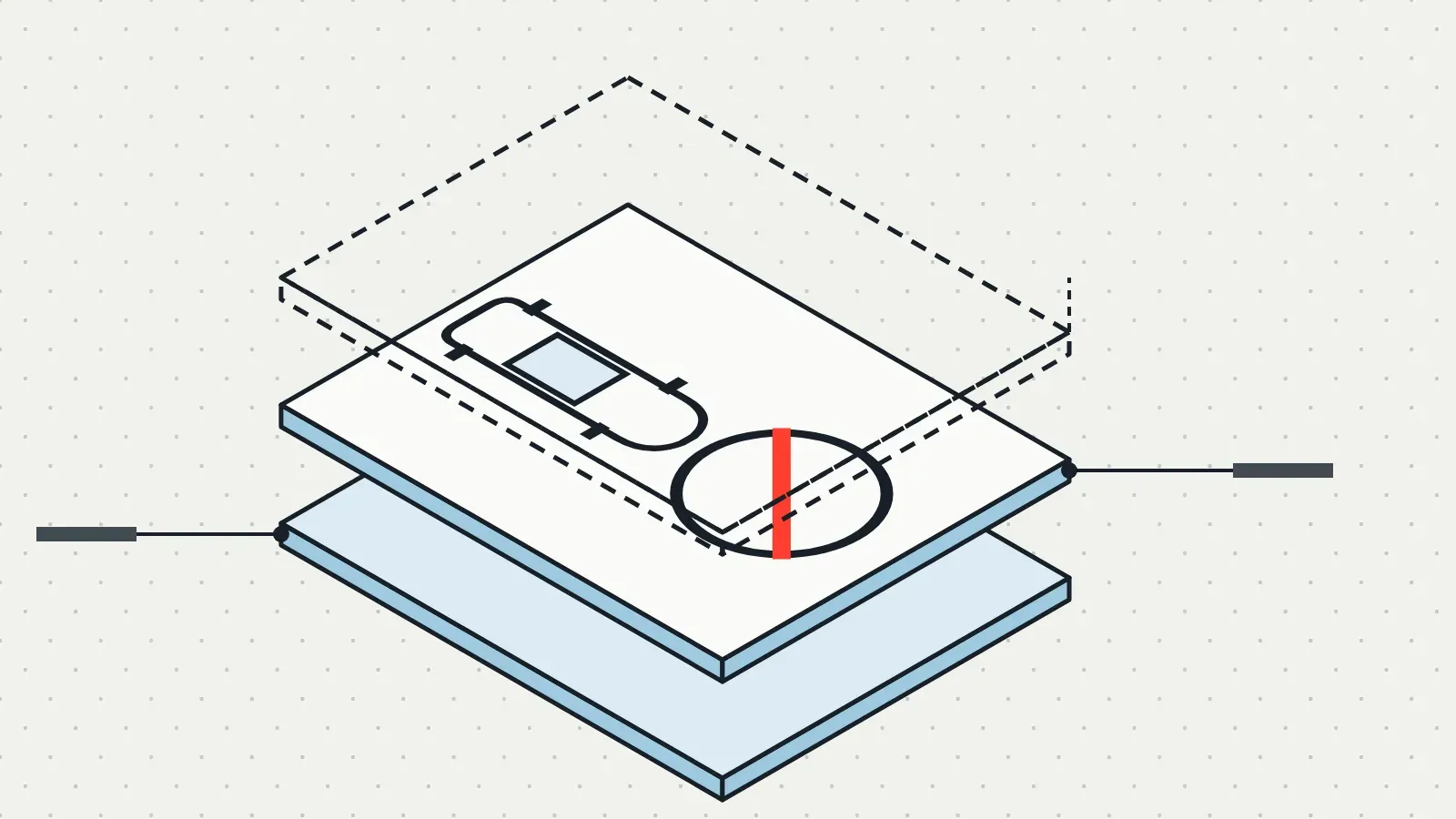
Core coverage
Uninsured motorist coverage (UM)
Pays your injuries when an uninsured or hit-and-run driver is at fault. Required in about 20 jurisdictions.
-
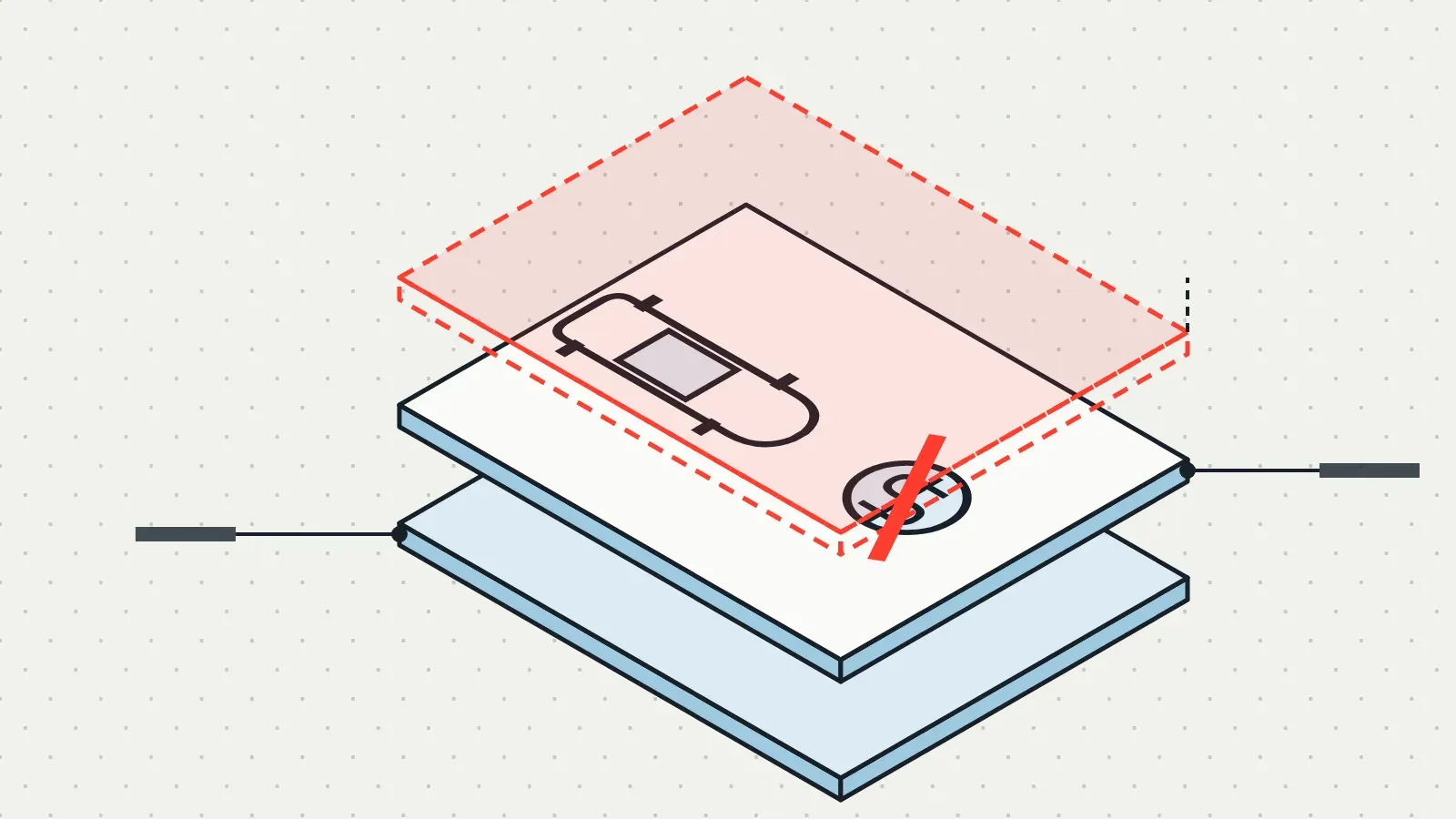
Core coverage
Underinsured motorist coverage (UIM)
Pays your injuries above the at-fault driver's limit. Added-on UIM stacks on their payment; offset UIM subtracts it.
-
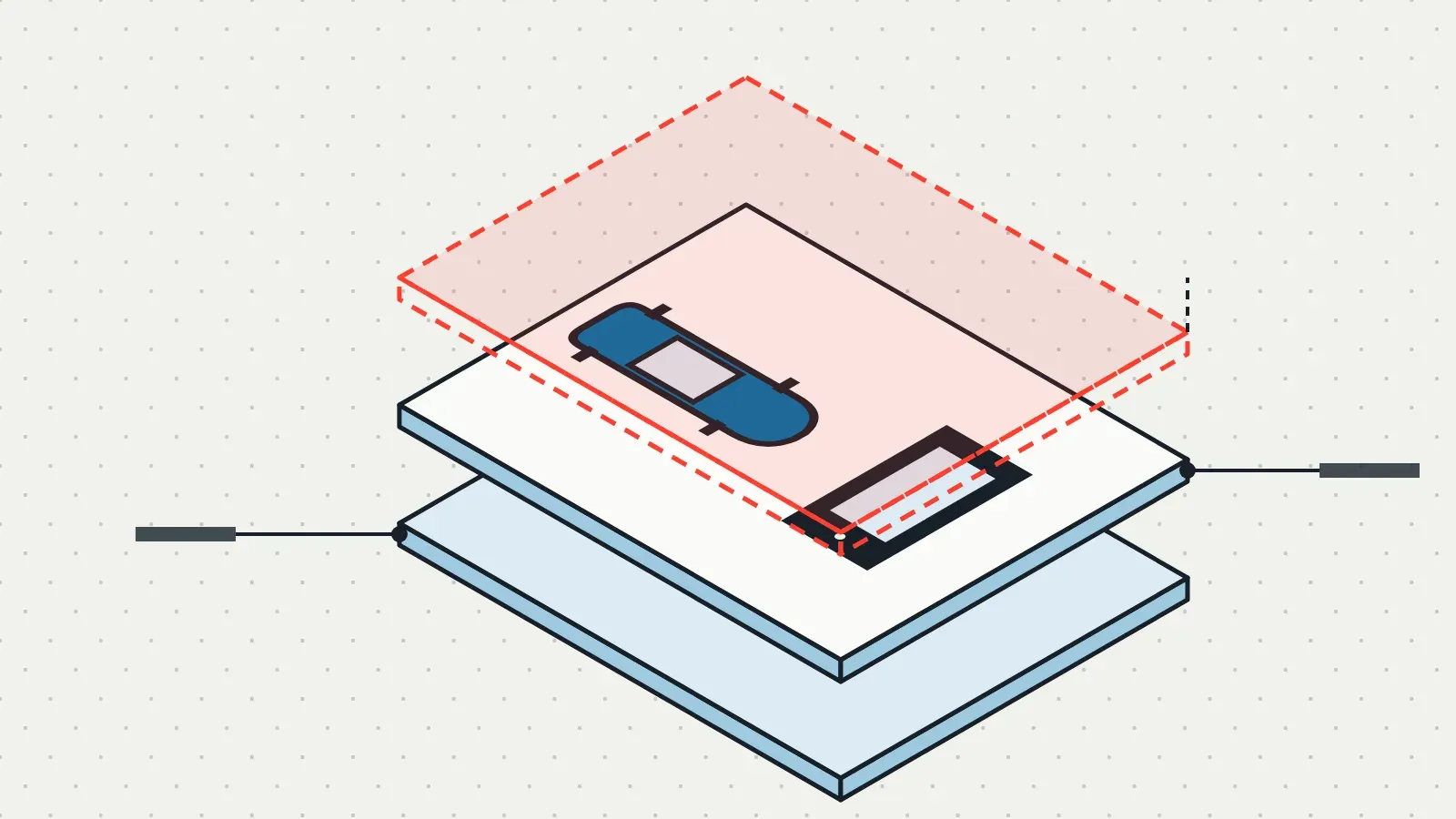
Add-on
Rideshare endorsement
Keeps your coverage on while a ride app is open and no ride is accepted, when laws often require only 50/100/25.