UM required
Missouri coverage menu: liability and uninsured motorist coverage on every policy
Missouri requires two coverages: liability and uninsured motorist coverage for injuries. Underinsured motorist coverage, medical payments and physical damage are choices. Here is where each one starts and stops.
By CoverOath Editorial Team Updated 6 min read
The promise, in short
Missouri requires 25/50/25 liability and uninsured motorist coverage of $25,000 per person and $50,000 per crash. An insurer cannot issue a Missouri auto liability policy without the uninsured motorist part, and it covers bodily injury only, not your car. Underinsured motorist coverage and medical payments are optional, and there is no PIP requirement. The Department of Commerce and Insurance runs a consumer hotline at 800-726-7390.
- Minimum liability
- 25/50/25
- PIP
- Not required
- UM/UIM
- UM required; UIM optional
Missouri coverage menu
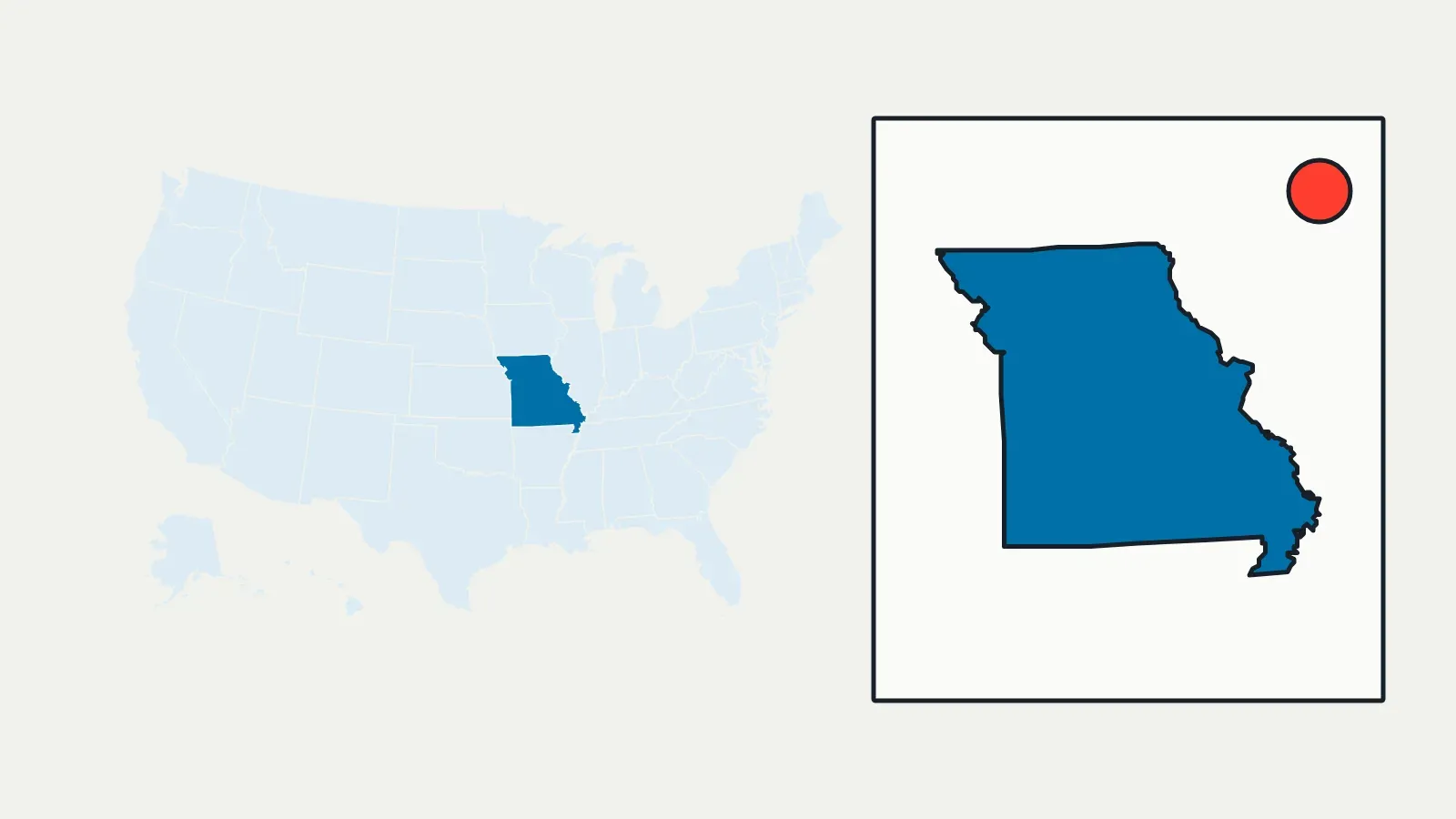
What a Missouri policy must carry
Missouri law requires liability at 25/50/25 or more (RSMo §303.190) and uninsured motorist coverage at no less than the bodily injury minimums (RSMo §379.203). The Department of Revenue lists both as the minimum you must carry.
| Coverage | Minimum | What it pays |
|---|---|---|
| Bodily injury liability | $25,000 / $50,000 | People you injure, per person / per crash |
| Property damage liability | $25,000 | Other people's cars and property |
| Uninsured motorist | $25,000 / $50,000 | Your injuries caused by an uninsured driver |
Those limits are the floor. A crash with two injured people can pass $50,000 quickly, and anything above your limits is yours to pay. The liability limits page explains how people choose higher ones.
Uninsured motorist coverage you cannot drop
The Department of Commerce and Insurance states that an insurer cannot issue a Missouri auto liability policy without uninsured motorist coverage. There is no rejection form for the minimum. Only an employer with a fleet of five or more passenger vehicles gets a different rule: the insurer must offer UM, not include it.
Injuries only
Missouri UM pays bodily injury, sickness, disease and death. It does not pay for damage to your car.
Hit-and-run
UM applies when the at-fault driver leaves before being identified, whether or not there was physical contact.
Optional UIM
The UM statute does not require underinsured motorist coverage. Insurers sell UIM as a separate optional line.
Because Missouri UM does not touch your car, damage from an uninsured driver goes through your own collision coverage, if you have it, after its deductible. Ask your insurer whether it offers any property damage option for crashes with uninsured drivers.
One court annotation under the statute, from 1986, reads "uninsured motorist" to include a driver who is underinsured by the standards of Missouri's financial responsibility law, meaning one who carries less than the state minimum. A driver who meets the minimum but has too little for your injuries is the case UIM is sold for.
Stacking in Missouri
The text of RSMo §379.203 does not mention stacking. Missouri court decisions summarized under the statute on the Revisor of Statutes website have let a policyholder with separate policies on two vehicles stack the uninsured motorist coverage of both, and have given effect to both coverages without reduction by policy provisions. Those annotations do not settle every case, such as several cars on one policy or UIM, where the policy wording carries more weight.
If you insure several cars, ask your insurer in writing how it applies the UM and UIM limits. How stacking works explains the terms.
Optional coverages Missourians add
- Underinsured motorist coverage, for injuries above the at-fault driver's limits.
- Medical payments, for medical bills for you and your passengers whoever caused the crash. Missouri has no PIP requirement.
- Collision and comprehensive for your own car. A lender or lease company will require both.
- Add-ons such as rental reimbursement and gap coverage on a financed car.
Each optional line has its own limit, and collision and comprehensive each have a deductible. UIM and medical payments pay you and your passengers; they do not raise the amount your policy pays to other people you injure. That is the job of the liability limit.
Where to check and complain
- Read your declarations page for your liability and uninsured motorist limits, and whether UIM is listed.
- Ask your insurer or agent first if a coverage or a claim decision is unclear, and keep notes of each call.
- Call the Department of Commerce and Insurance hotline at 800-726-7390 (weekdays 8 a.m. to 5 p.m.) or file a complaint online.
Questions drivers ask
Can I reject uninsured motorist coverage in Missouri?
No. Missouri requires uninsured motorist coverage of at least $25,000 per person and $50,000 per crash on every personal auto liability policy.
Is underinsured motorist coverage required in Missouri?
No. It is optional. Ask your insurer for a UIM price if you want protection above the at-fault driver's limits.
Does Missouri uninsured motorist coverage pay for my car?
No. It applies to bodily injury only. Damage to your car is paid by collision coverage or by an uninsured motorist property damage option if your insurer sells one.
Drawn from
- Missouri Revised Statutes §379.203 (uninsured motorist coverage, with case annotations)
- Missouri Revised Statutes §303.190 (minimum liability limits)
- Missouri Department of Revenue — Insurance requirements
- Missouri Department of Commerce and Insurance — Auto insurance FAQs
- Missouri Department of Commerce and Insurance — Consumer complaints
Facts on this page were checked against these sources on November 15, 2026. The current text of RSMo §379.203 has been in effect since August 28, 1991.
Have this coverage priced
CoverOath doesn't sell insurance. Answer five questions and CoverOath passes your request to licensed insurance agents and insurers, who can quote the coverage; you decide whether to buy anything.
- 1 The coverage you want priced.
- 2 Where an agent can reach you, and your consent.
- 3 A licensed insurance agent or insurer contacts you with a quote. Nothing is bought until you agree.
CoverOath is not paid by you. The licensed insurance agents and insurers who contact you set their own prices and terms. How we make money.
Adjacent layers
-
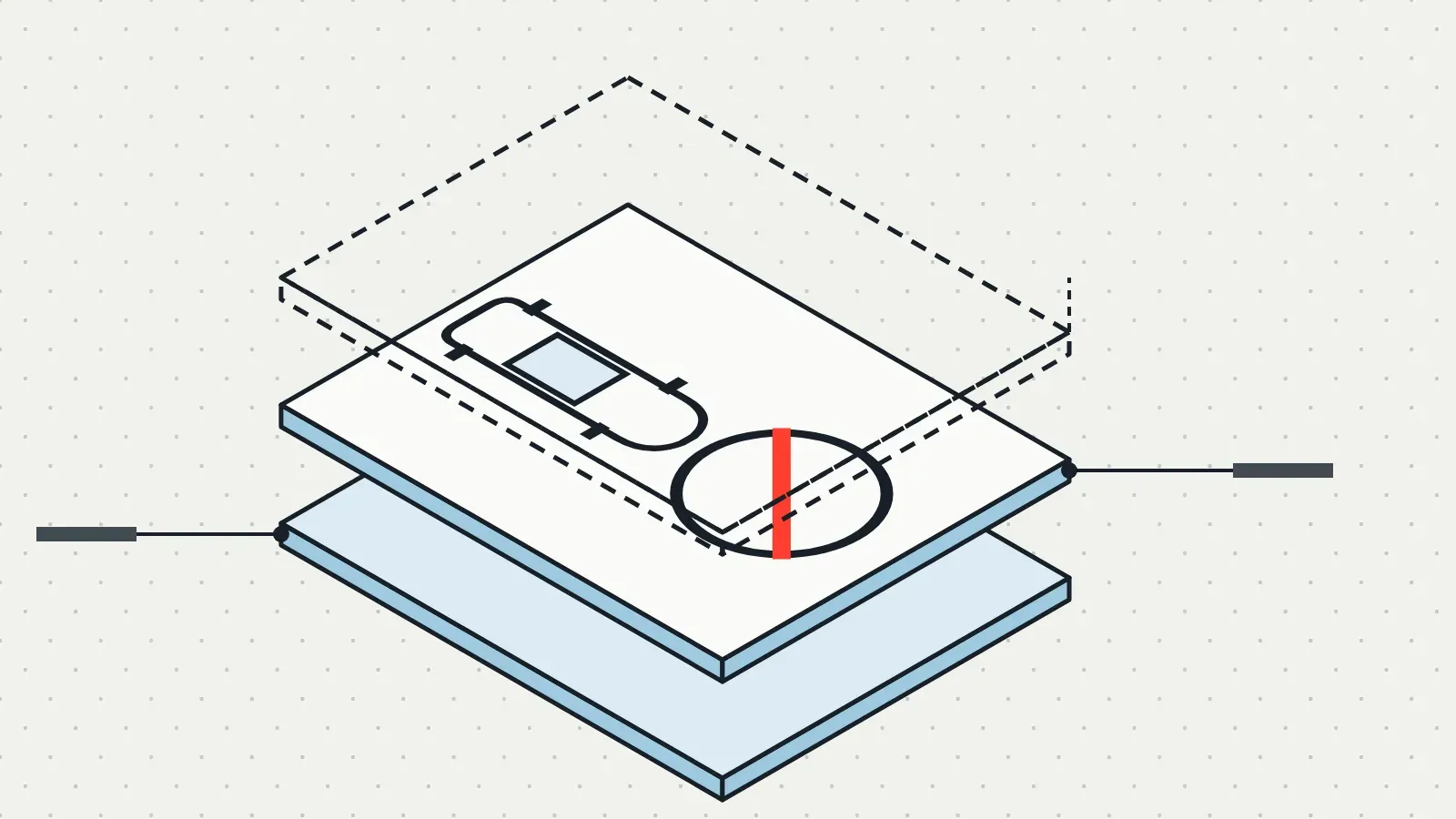
Core coverage
Uninsured motorist coverage (UM)
Pays your injuries when an uninsured or hit-and-run driver is at fault. Required in about 20 jurisdictions.
-
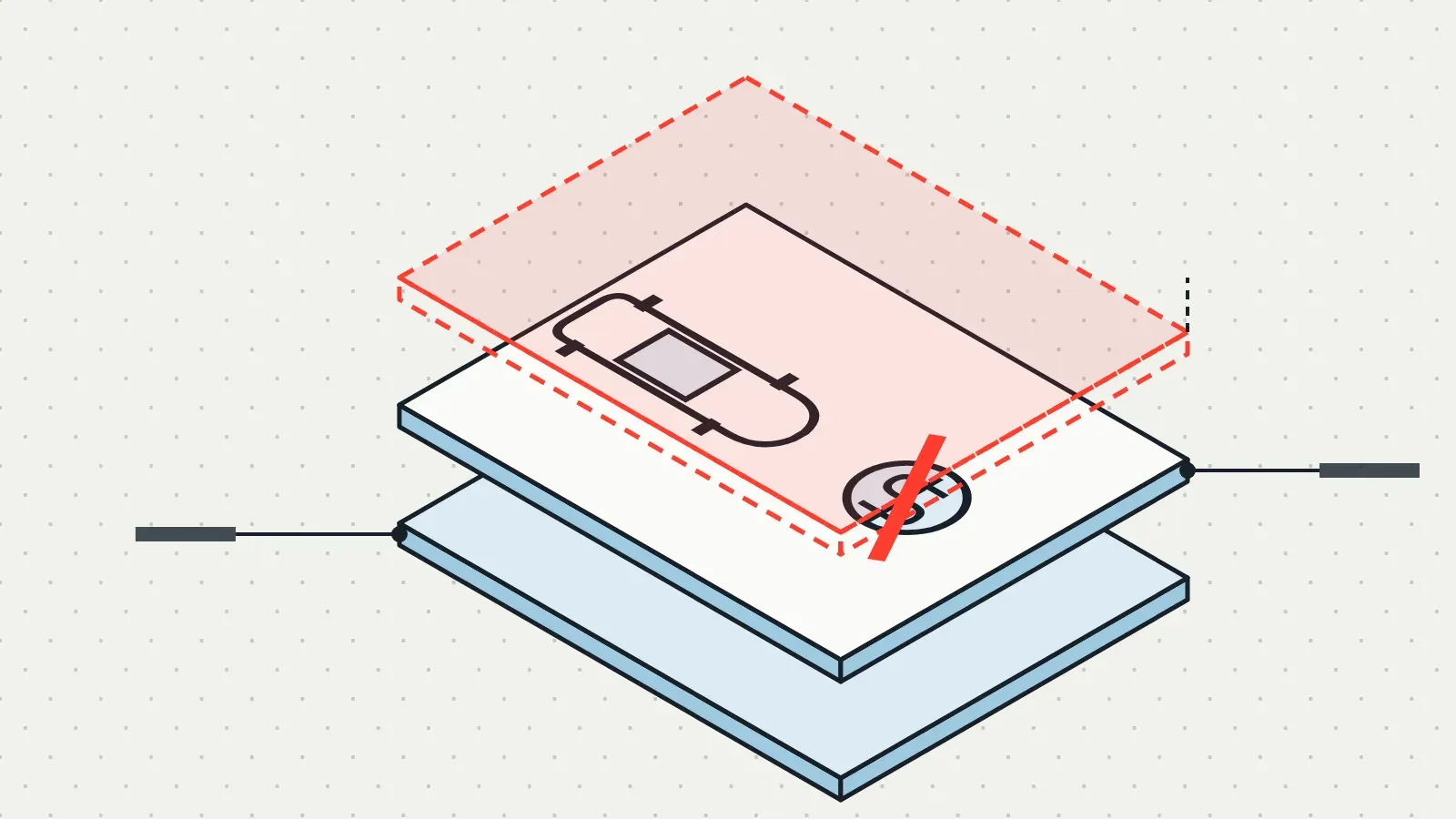
Core coverage
Underinsured motorist coverage (UIM)
Pays your injuries above the at-fault driver's limit. Added-on UIM stacks on their payment; offset UIM subtracts it.
-
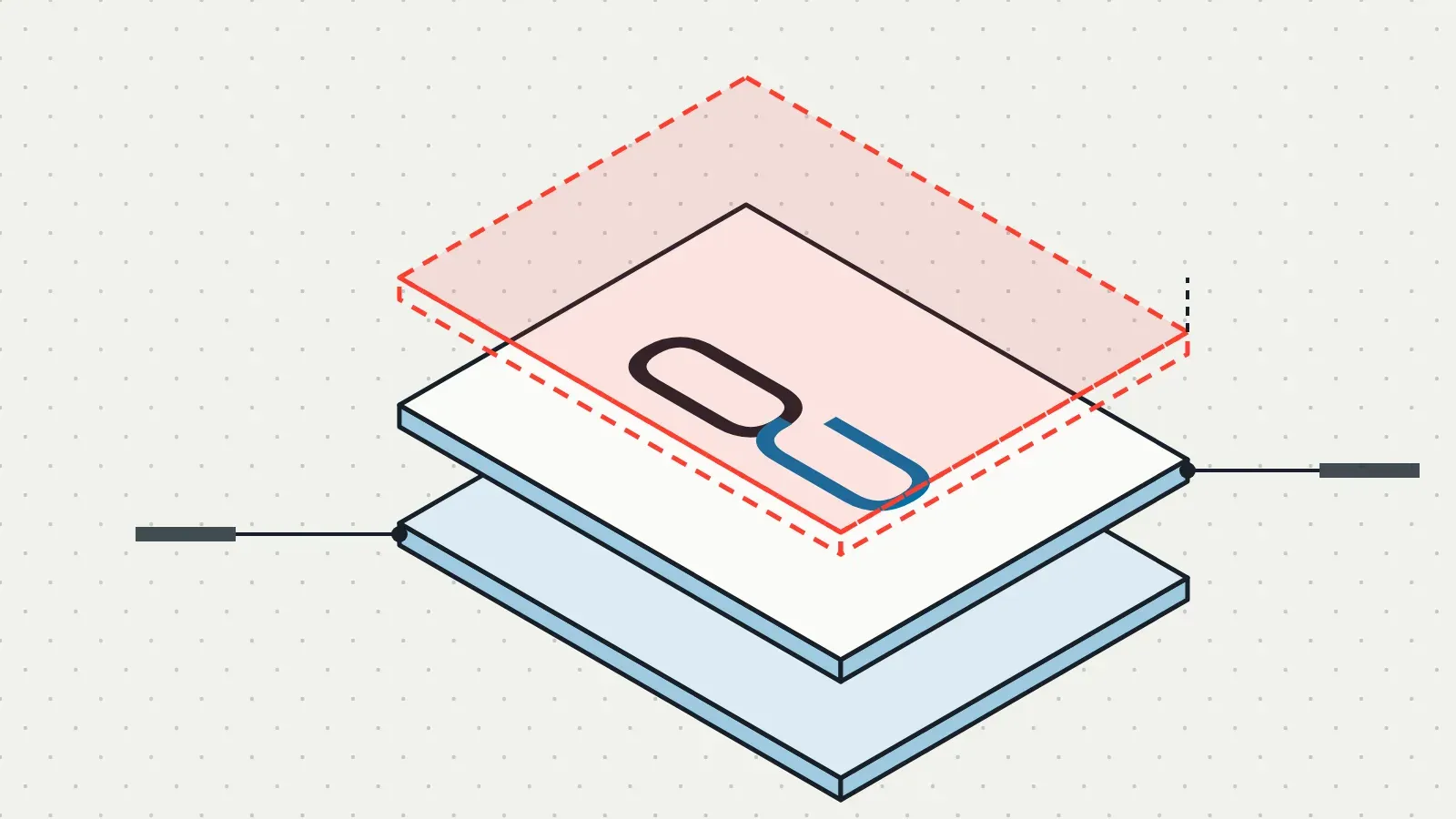
Fine print
Stacking UM/UIM coverage
Whether UM limits on several cars add up. Pennsylvania and Florida stack by default; California bans it.