Repair policy
Mechanical breakdown insurance: a repair promise beside the auto policy
Your car policy pays for crashes, theft and storms. It does not pay when a transmission simply quits. Mechanical breakdown insurance and its cousin, the service contract, are built for that loss. Here is how they differ and what to read before you buy either.
By CoverOath Editorial Team Updated 7 min read
The promise, in short
Mechanical breakdown insurance (MBI) is an insurance policy that pays to repair covered parts that fail on their own, a loss that collision and comprehensive are not built for. It looks a lot like a vehicle service contract, often sold as an "extended warranty," but the two are different products: MBI is a contract with a licensed insurance company, while a service contract is with a dealer, a manufacturer or an independent company. Neither pays for a repair the manufacturer's warranty already covers, so read the list of covered parts, the deductible and the maintenance conditions before you buy.
- Pays for
- Covered part failures
- Sold by
- Licensed insurers, agents
- Not the same as
- A service contract
- During factory warranty
- Warranty pays first
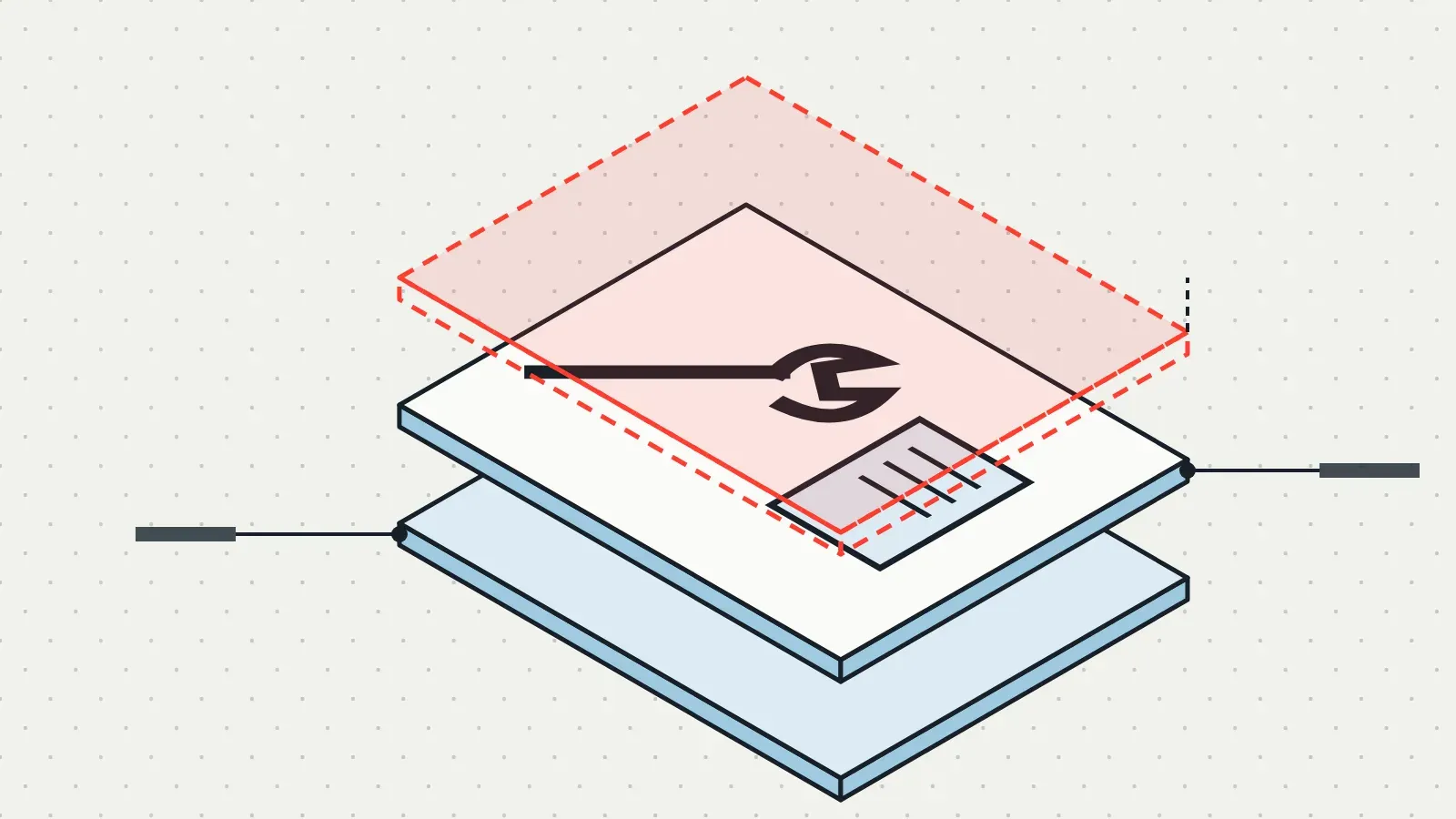
The loss a car policy leaves out
The physical damage side of a car policy answers sudden events. The NAIC describes collision as paying for repairs, or the car's actual cash value, after a crash or rollover, and comprehensive as paying for damage from causes such as fire, theft, wind, hail or hitting a deer. A water pump that wears out, or an engine that fails at 70,000 miles, is not on that list. The Insurance Information Institute notes that collision coverage will not pay for mechanical failure or normal wear and tear, and policies list these among their exclusions.
Mechanical breakdown insurance is written for that excluded loss. It promises to pay for the repair of parts listed in the policy when they fail in normal use, after a deductible, during a set term. It does not pay for crash damage, theft or weather, which stay with your auto policy.
- What triggers it: a covered part breaks or stops working, not a collision or an outside event.
- What it pays: parts and labor for the covered repair, as the policy defines them.
- What caps it: the term of the policy, the list of covered parts and any per-repair or total limit in the contract.
MBI or a vehicle service contract
The Federal Trade Commission notes that auto service contracts are sometimes called "extended warranties" but are not warranties as federal law defines them, because you buy them separately from the car. They are optional contracts to pay for some repairs or services, sold by manufacturers, dealers and independent companies, and an administrator decides whether a claim is paid.
| Point | Mechanical breakdown insurance | Vehicle service contract |
|---|---|---|
| Who makes the promise | A licensed insurance company | A dealer, manufacturer or independent company |
| Who sells it | Insurers, licensed agents, some banks and credit unions | Dealers, manufacturers, independent sellers |
| Is it insurance? | Yes, an insurance policy | No, a contract to pay for some repairs |
| Who decides a claim | The insurer or its adjuster | The contract's administrator |
The difference matters when something goes wrong. California's Department of Insurance explains that with an MBI policy you deal directly with the insurance company, while a service contract is between you and the seller or provider, which is not technically an insurance company. In California, MBI may be sold only by licensed insurers and agents, and its price is regulated by the department; the price of a service contract is not. Other states regulate service contracts in their own ways, so check with your state insurance department.
Where it overlaps with a warranty you already have
A new car's warranty is the manufacturer's promise to fix certain defects for a set time. While it runs, it pays first. California's guide says a breakdown covered by the manufacturer's new car warranty will not be covered by MBI or a service contract, and repair agreements also commonly leave out problems handled by a recall or a factory bulletin. The FTC adds that a service contract that starts before the manufacturer's warranty ends probably won't help.
What to read before you buy
- Name the obligor. Find out who owes you the repair: an insurance company, the dealer, the manufacturer or an independent company. For MBI, confirm the insurer is licensed in your state.
- Read the covered parts list. The FTC warns that few service contracts cover all repairs and maintenance. A named-parts list covers only what it names.
- Find the deductible. You may owe it each time the car is repaired, not once a year.
- Check the maintenance condition. Failing to service the car as the manufacturer recommends is a common reason a claim is turned down. Keep receipts and service records.
- Look for wear-and-tear and shop clauses. Some agreements exclude repairs caused by wear and tear, and some require the work to be done at specific locations.
- Ask about cancellation and transfer. Find out whether you get a refund if you sell the car or cancel, and whether the coverage can pass to the next owner and for what fee.
Refund rules differ by state. In California, for example, a service contract can be canceled for a full refund within 60 days (30 days on a used car without a manufacturer warranty) if no claim was made, and for a partial refund later.
How it fits with the rest of your coverage
Collision and comprehensive
Pay for sudden physical damage: a crash, a rollover, fire, theft, hail. Not for a part that wears out.
Mechanical breakdown insurance
Pays to repair listed parts that fail on their own during the policy term, after a deductible.
Roadside assistance
Pays for a tow, a jump start or a tire change, not for the repair. See roadside assistance.
Rental reimbursement
Usually pays for a rental only after a covered auto claim. See rental reimbursement.
California's guide notes that it is common for MBI policies and service contracts to pay towing and rental car costs while a covered repair is done, and some add key fob, windshield or tire and wheel protection. If your auto policy already carries some of these, you may be paying twice for the same tow.
The calls and letters to ignore
The FTC warns about urgent notices saying your car's warranty is about to expire. The senders may imply a link to your dealer or the manufacturer when they have none. A real offer gives you the contract to read before you pay; if the caller will not, hang up and call your dealer or the manufacturer at a number you find yourself.
Questions drivers ask
Is mechanical breakdown insurance the same as an extended warranty?
No. MBI is an insurance policy issued by a licensed insurer. What is sold as an extended warranty is usually a vehicle service contract with a dealer, manufacturer or independent company. Both pay for covered repairs, but the contracts, the sellers and the rules that apply to them differ.
Does my car insurance pay when my engine fails?
Usually not. Collision and comprehensive pay for sudden damage from a crash or an outside event. The Insurance Information Institute notes that collision will not pay for mechanical failure or normal wear and tear; see common exclusions.
Do I need MBI while my car is under the factory warranty?
Coverage that overlaps the factory warranty usually adds little, because the warranty pays first for the parts it covers. Compare what each covers and when each ends.
Does MBI pay for oil changes and brake pads?
Usually not. Routine maintenance and parts that wear out in normal use are commonly excluded, and skipping the maintenance the manufacturer recommends can cost you a claim on a covered part.
Drawn from
- Federal Trade Commission — Auto Warranties and Auto Service Contracts
- Federal Trade Commission — What to know about auto service contracts and extended warranty scams (March 2023)
- California Department of Insurance — Vehicle Service Contracts, Extended Warranties & Other Repair Agreements (Form 166, February 2025)
- NAIC — Auto insurance consumer guide
- Insurance Information Institute — Auto insurance basics: understanding your coverage
Facts on this page were checked against these sources on November 15, 2026. The licensing, pricing and refund rules quoted from the California Department of Insurance apply in California; other states regulate MBI and service contracts in their own ways.
Have this coverage priced
CoverOath doesn't sell insurance. Answer five questions and CoverOath passes your request to licensed insurance agents and insurers, who can quote the coverage; you decide whether to buy anything.
- 1 The coverage you want priced.
- 2 Where an agent can reach you, and your consent.
- 3 A licensed insurance agent or insurer contacts you with a quote. Nothing is bought until you agree.
CoverOath is not paid by you. The licensed insurance agents and insurers who contact you set their own prices and terms. How we make money.
Adjacent layers
-
Fine print
Car insurance exclusions
Intentional damage, paid rides and deliveries, wear and breakdowns: what personal auto policies commonly leave out.
-
Add-on
Roadside assistance
Pays for a tow and roadside labor, such as a jump start or a tire change, up to a limit per breakdown.
-
Core coverage
Comprehensive coverage
Pays for theft, hail, fire, flood, vandalism and animal strikes to your car, minus your deductible.